
Take Root: Restoring Mangroves at Hull Bay for the Next Generation
Years from now, a student could return to Hull Bay with their own children, walk toward the shoreline, point to a mangrove tree and say…
“I planted that.”
That is the future behind a restoration project taking shape at The Hideaway at Hull Bay, our five-acre property on the Northside of St. Thomas in the U.S. Virgin Islands.
But the work began with a much less hopeful view…
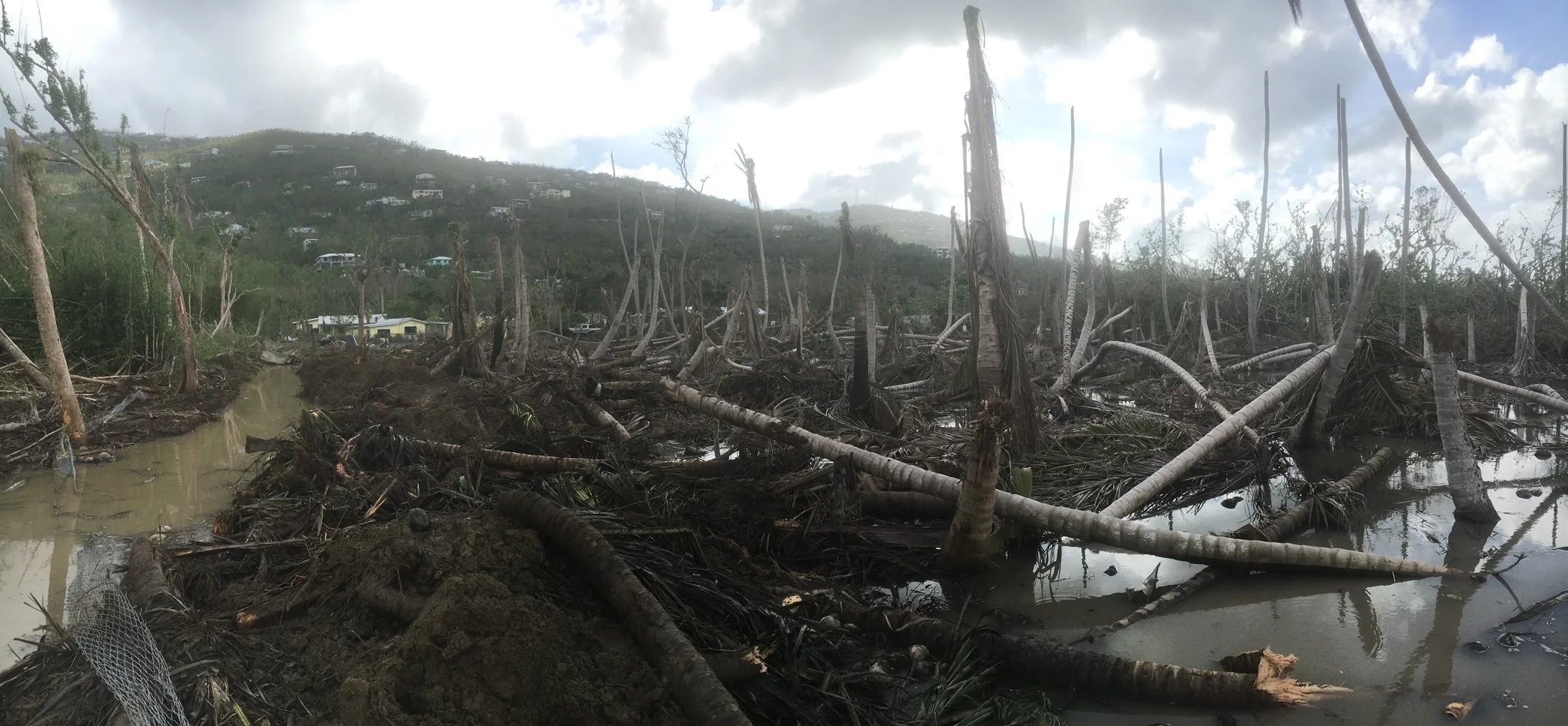
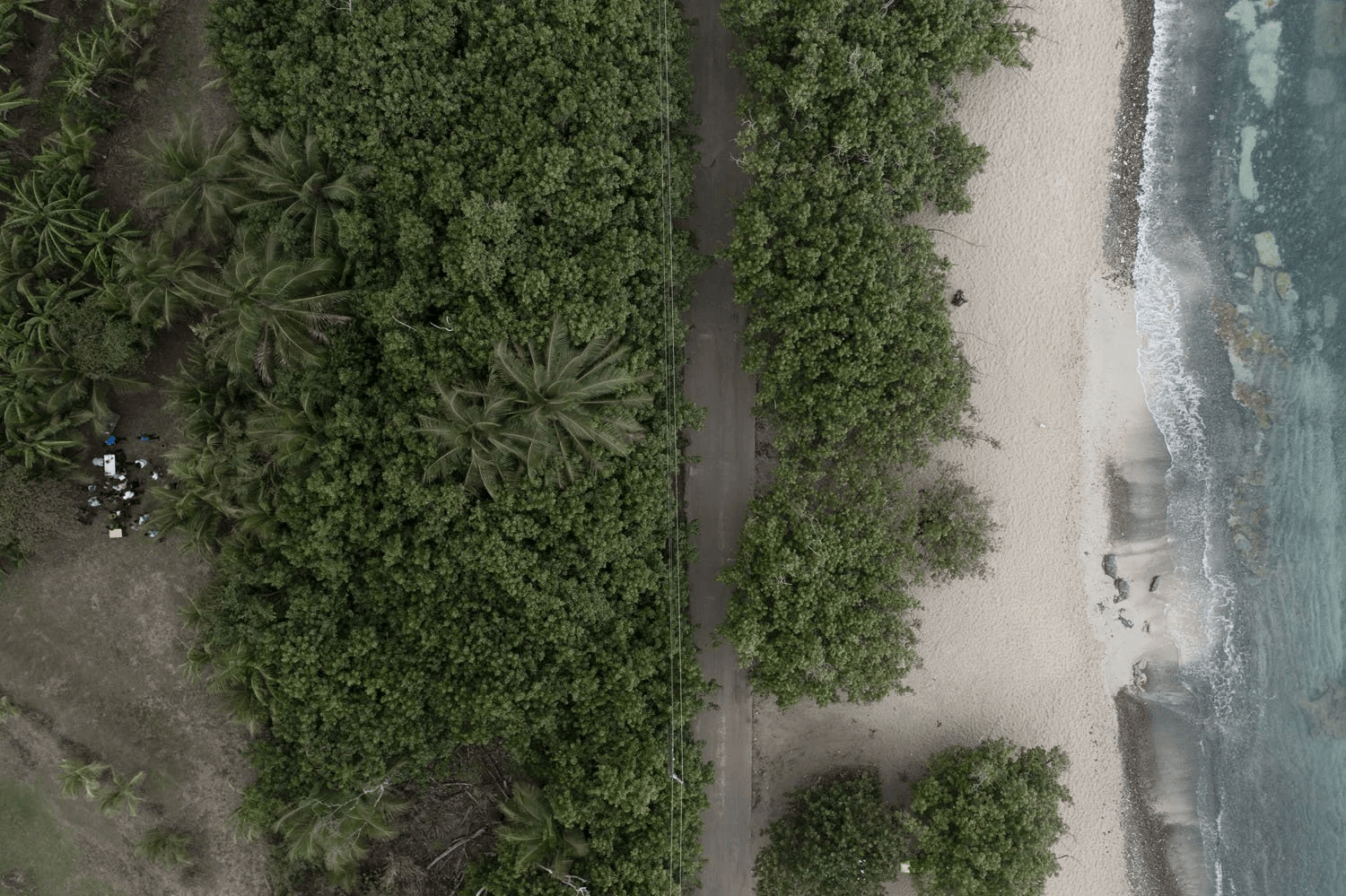
Photo by Dan Mele, Sourced from viepscor.org/hull-bay-restoration
Before Hurricanes Irma and Maria tore through the Virgin Islands in 2017, a dense stand of mangroves grew here. The storms damaged mangrove forests throughout the territory. At the small wetland beside The Hideaway, researchers later documented that most of the mature red mangroves had been lost, with little natural regeneration in the years that followed.
Bringing them back would take time. It would also change the way we thought about our relationship with this piece of Hull Bay.
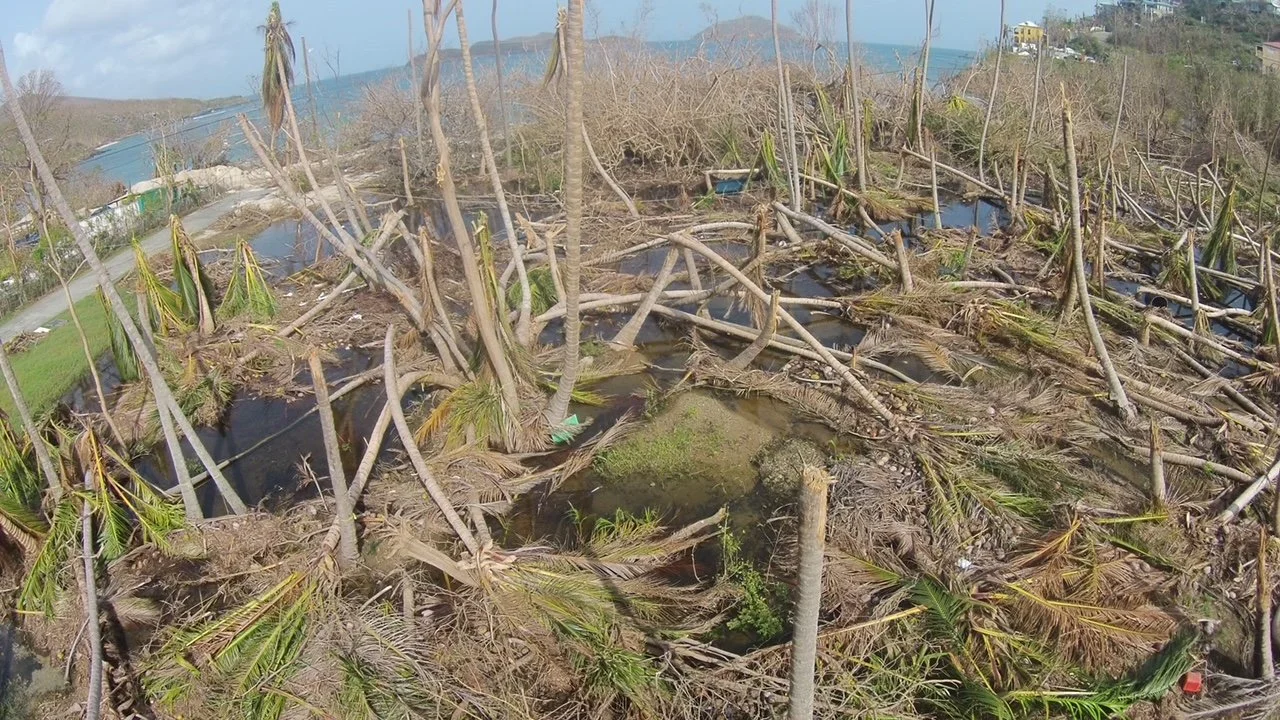
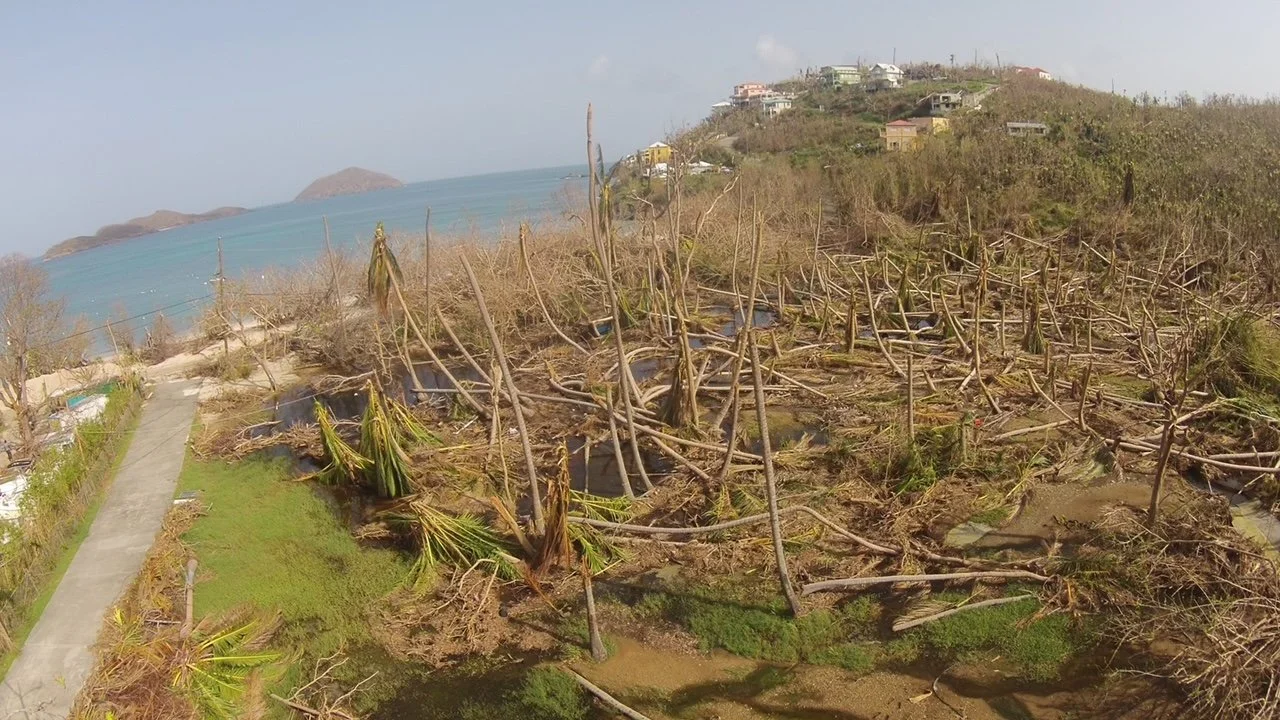
Understand the Land
When The Hideaway founder Lee Steiner began working on the property, one of his early priorities was understanding the wetland well enough to know where development should stop and what the mangroves needed to thrive.
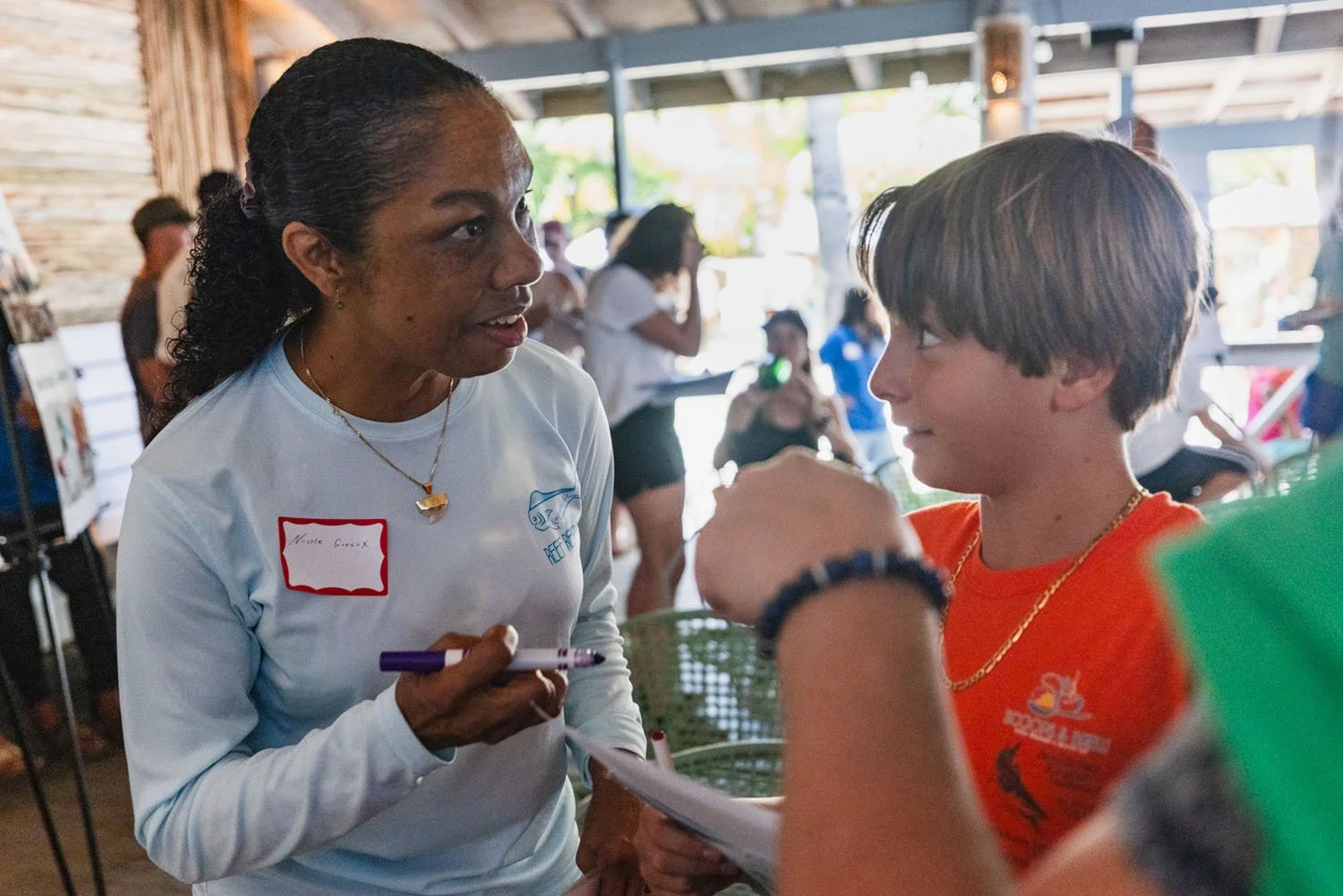
Photo by Dan Mele, Sourced from viepscor.org/hull-bay-restoration
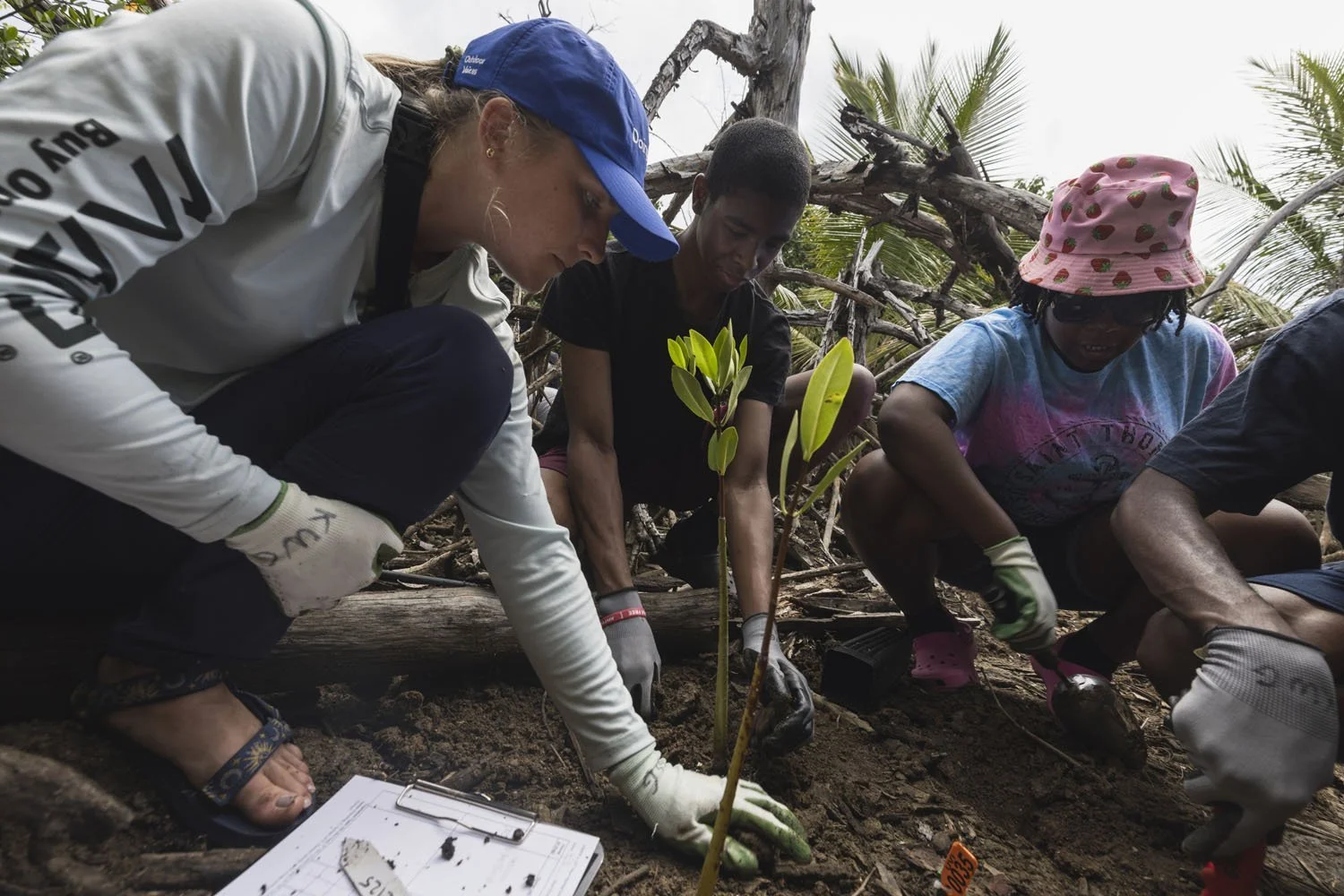
Photo by Dan Mele, Sourced from viepscor.org/hull-bay-restoration
Not all mangroves grow in the same conditions. Red, white, and black mangroves all require different water levels, salinity, and elevations.
A successful restoration works to recreate those natural patterns and support a functioning wetland over time.
Once the mangroves take root, they can produce new propagules—the long, seed-like structures that grow into the next generation and help the wetland sustain itself.
Why Mangroves Matter in St. Thomas
For a small tree, a mangrove does a lot of work.
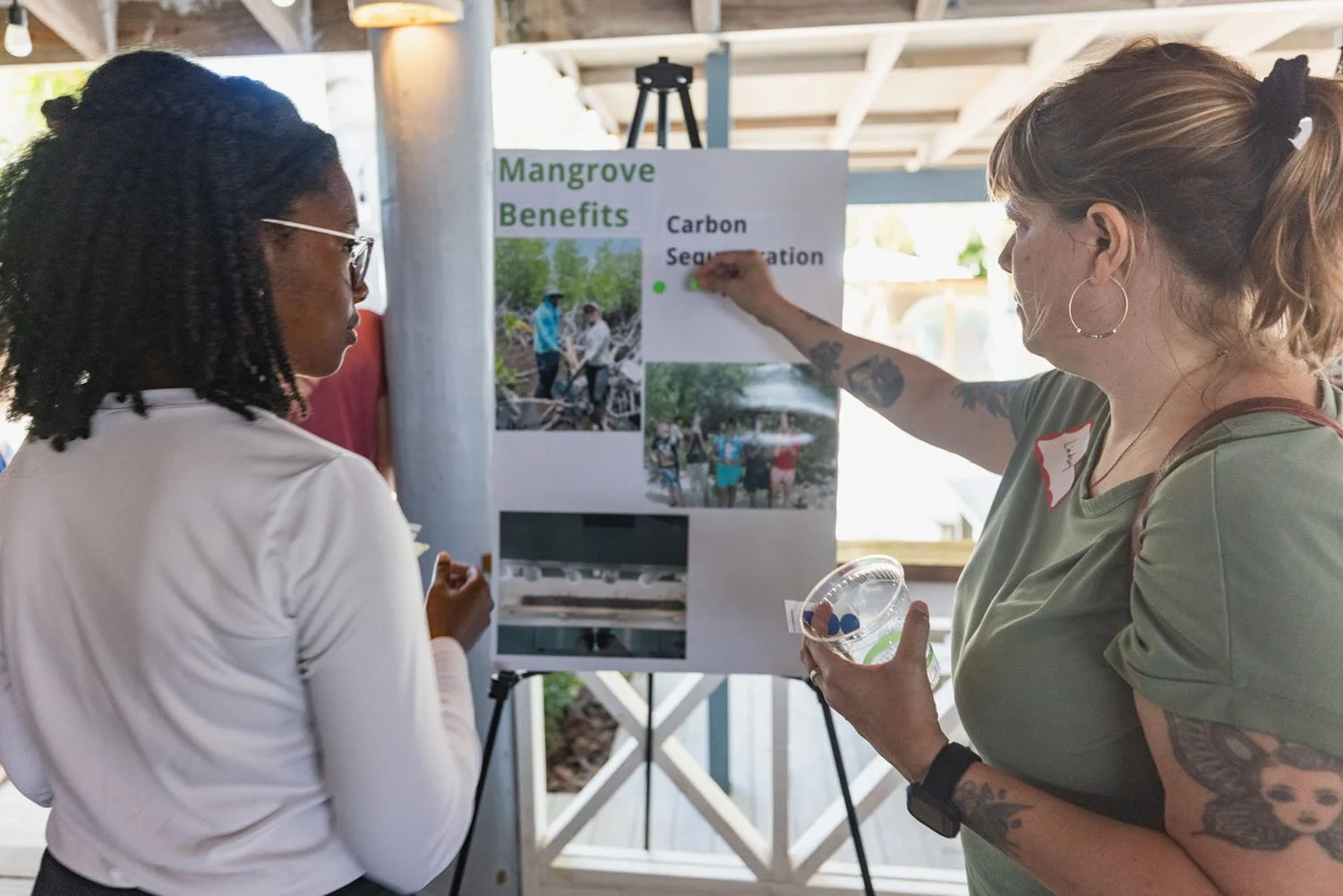
Photo by Dan Mele, Sourced from viepscor.org/hull-bay-restoration
Its tangled roots create shelter for young fish and other marine life. Mangroves can trap sediment and help improve the quality of water moving toward the coast. Their roots also hold shorelines together and help reduce the force of waves, which makes them an important part of coastal resilience in places exposed to hurricanes.
In the U.S. Virgin Islands, those benefits are closely connected to everyday life, local livelihoods, and the health of the surrounding sea. Fishing boats come and go. People swim and surf offshore. Homes and businesses sit close to the water.
Every stretch of the shoreline has its own environmental purpose. As the restoration moved forward, Lee saw a chance to use the site as a place to learn. That led The Hideaway to partner with the University of the Virgin Islands (UVI) to bring local students directly into the restoration work.
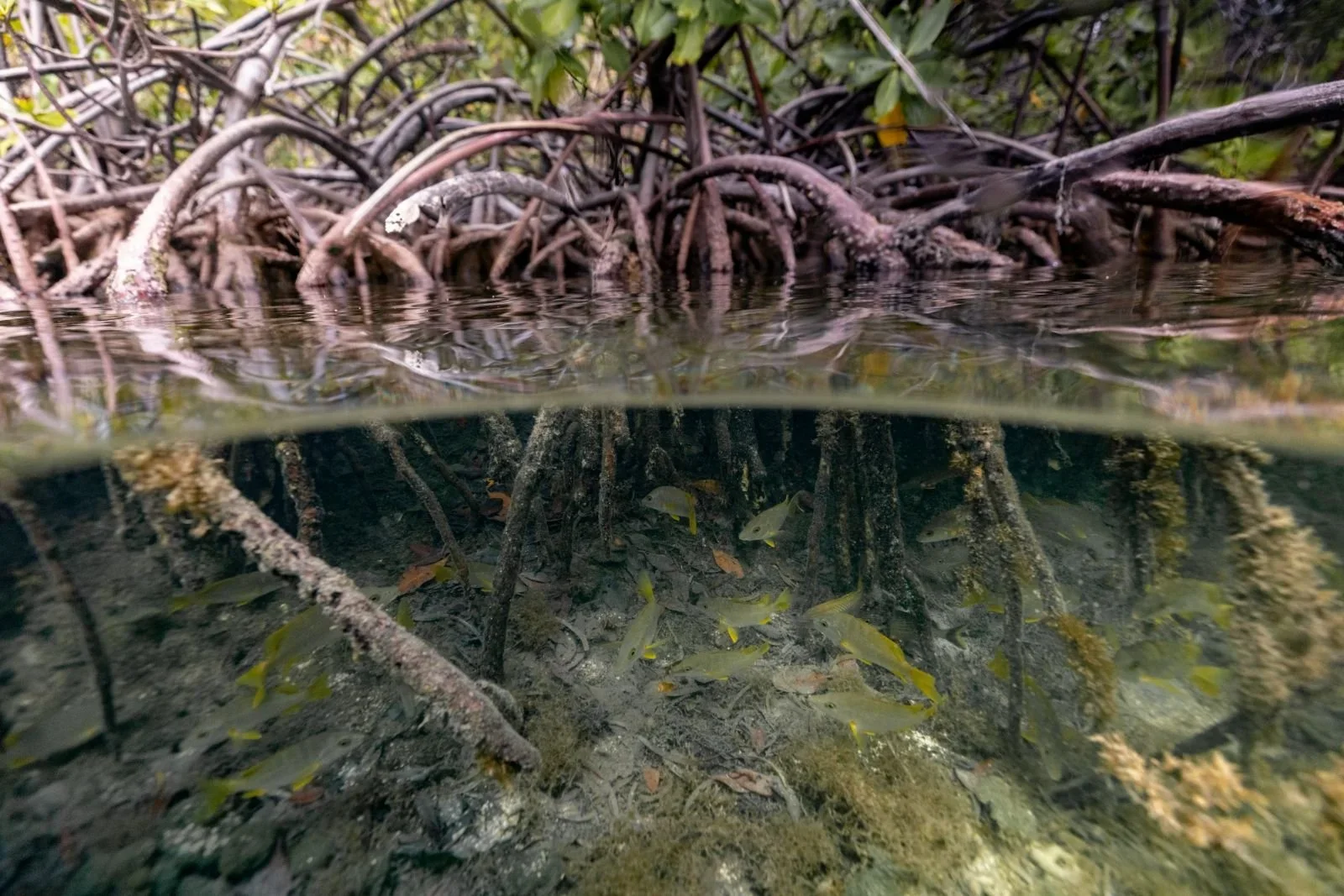
Photo by Dan Mele, Sourced from viepscor.org/r2r-research-areas-archive/mangrove
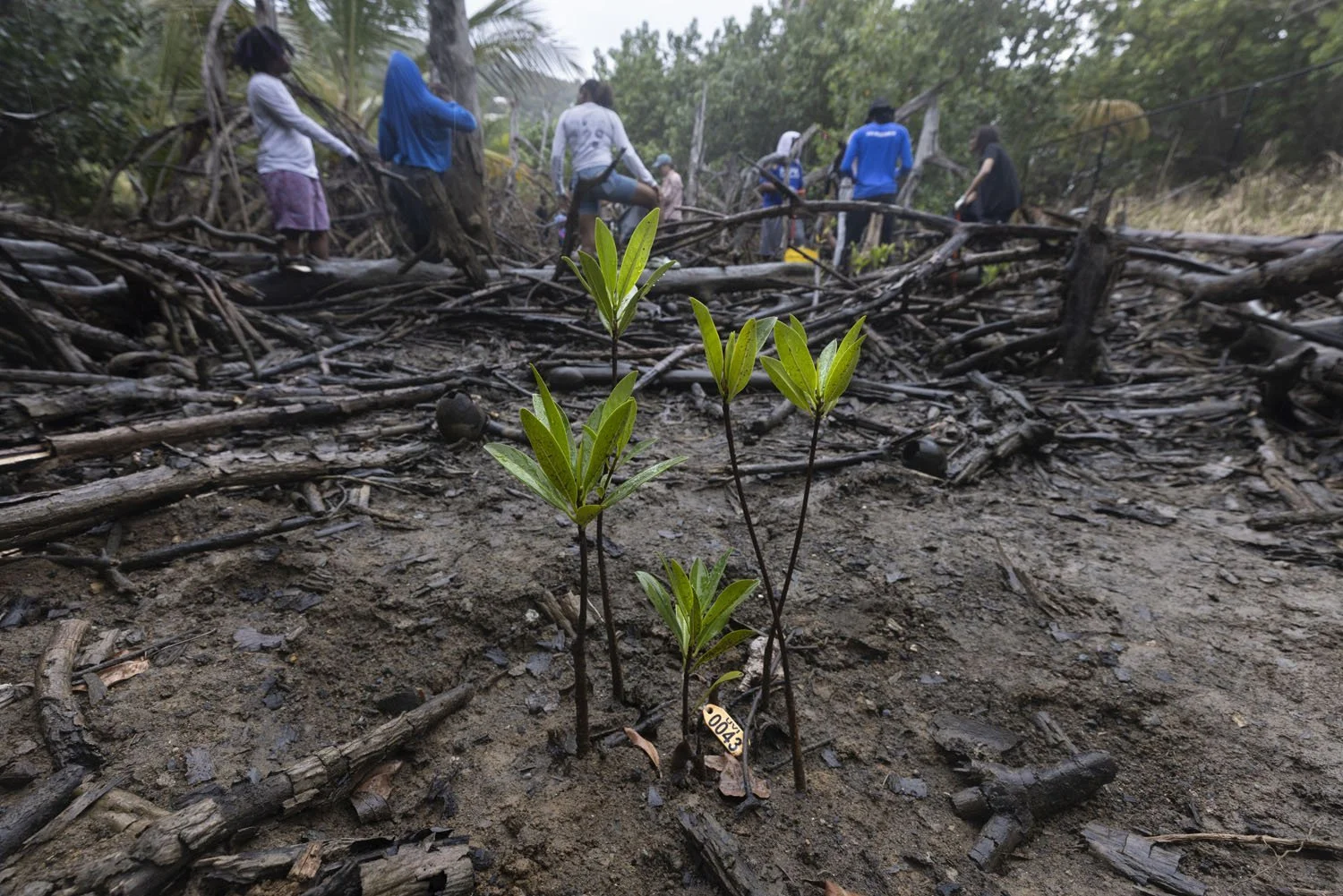
Photo by Dan Mele, Sourced from viepscor.org/hull-bay-restoration
From the Nursery: Bringing Students Into the Work
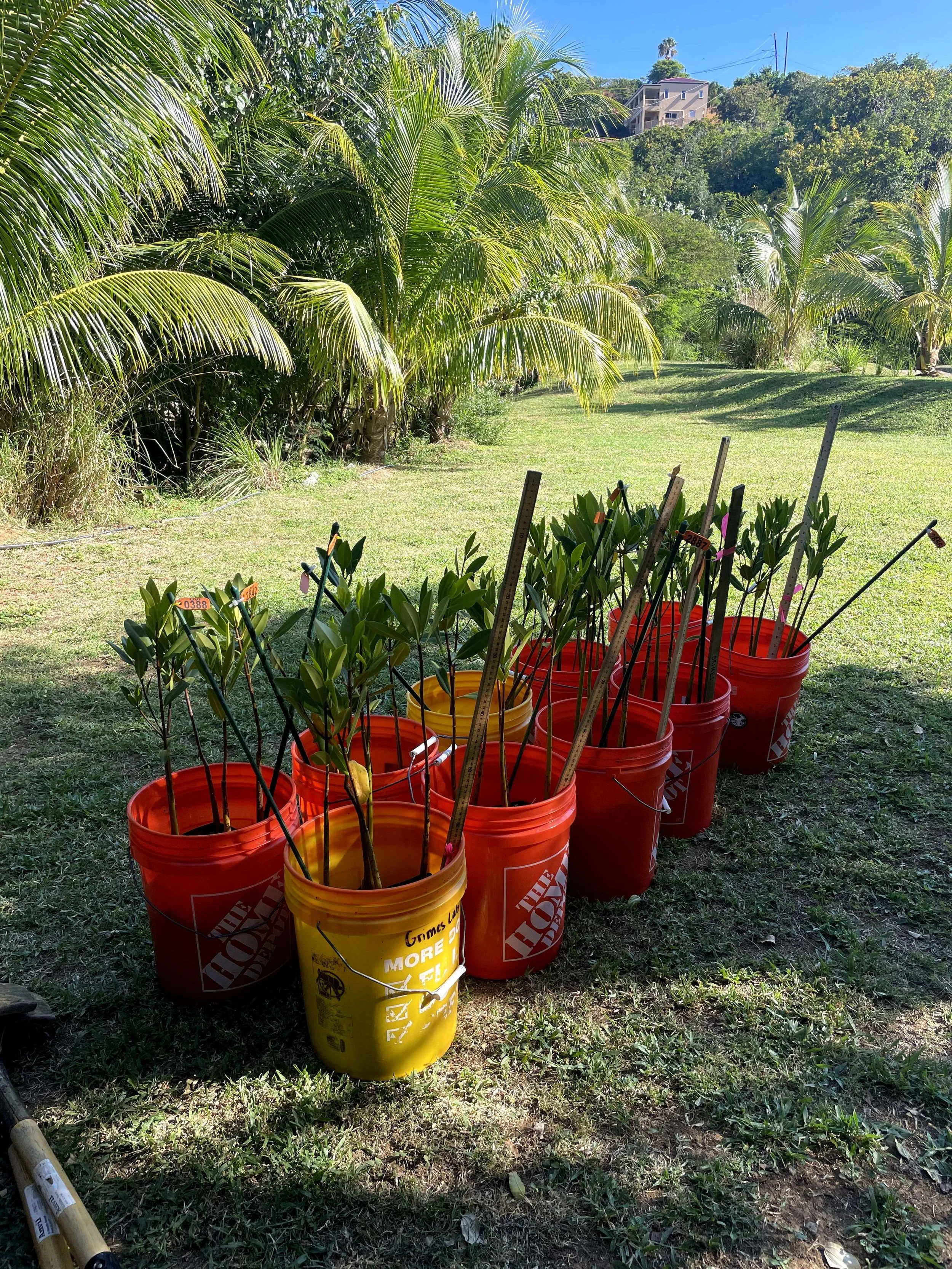
At UVI’s Center for Marine and Environmental Studies, the Growing Research, Restoration, Outreach and Education USVI Mangroves program, or GRROE USVI Mangroves, raises mangroves for restoration around the islands.
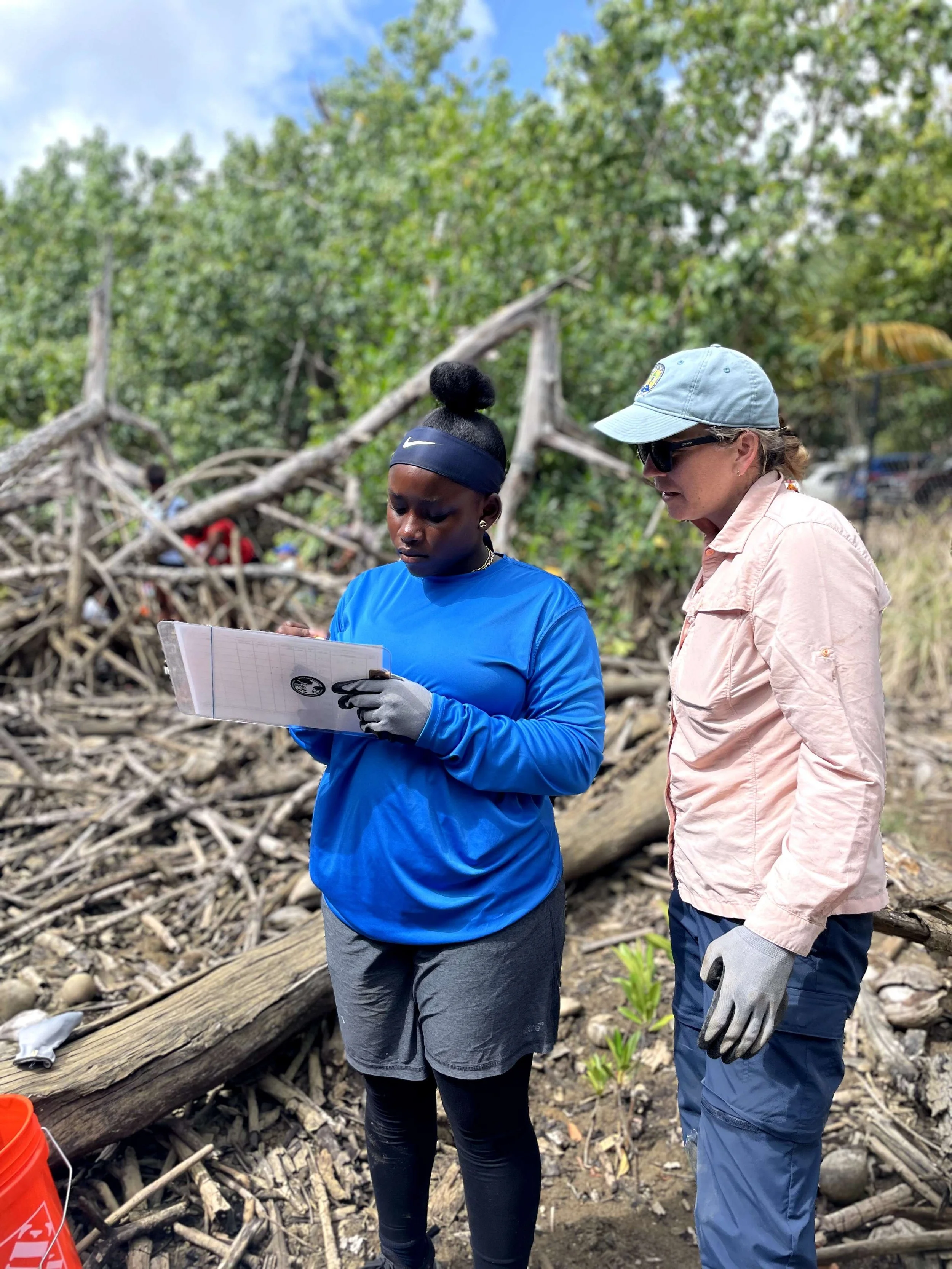
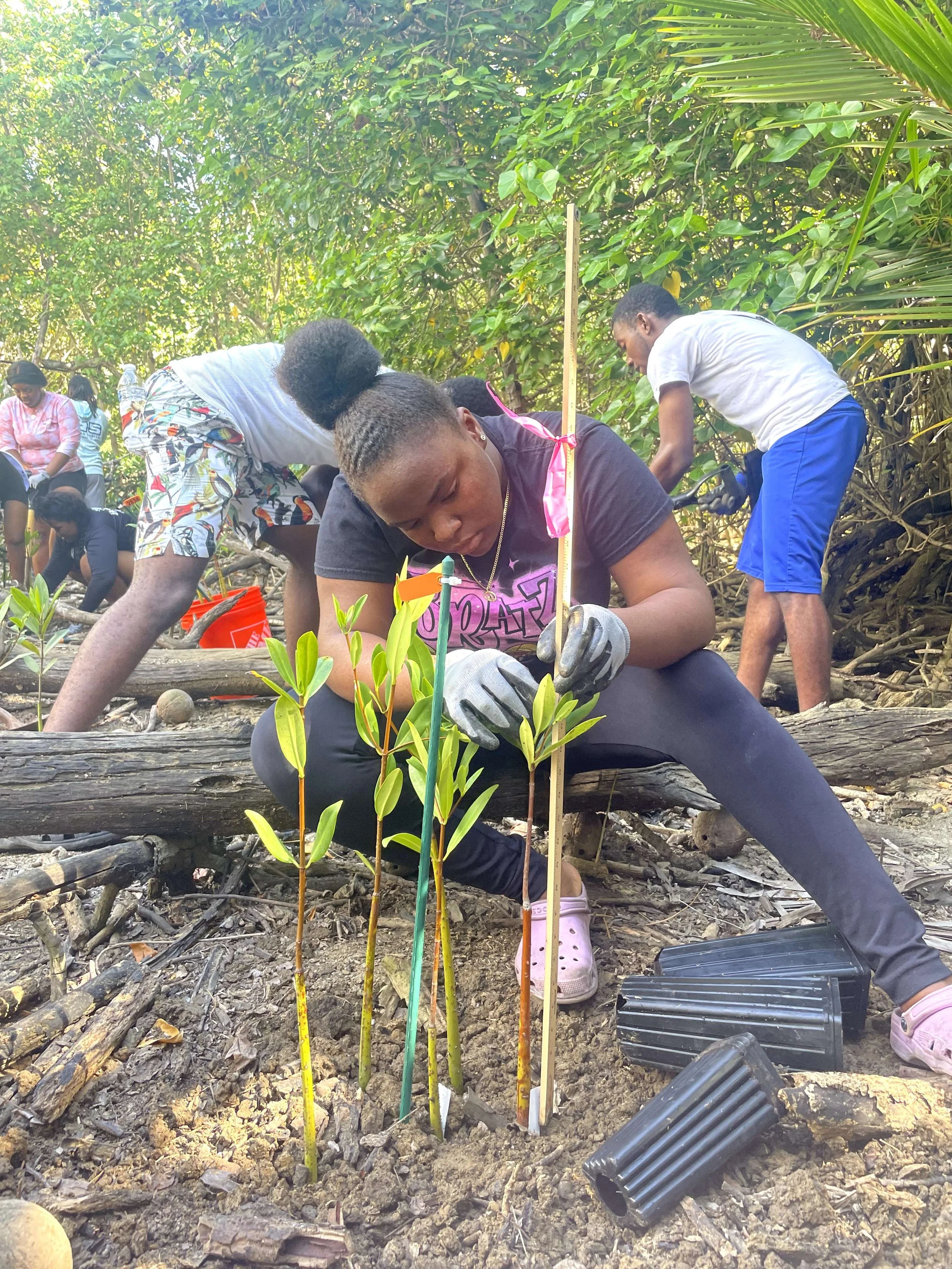
Red mangrove propagules are collected and cared for in nursery systems before they are ready to return to the coast. UVI researchers continue monitoring the plants after they are outplanted, tracking their health and learning which restoration methods work best.
At The Hideaway at Hull Bay, that science became something local students could take part in firsthand.
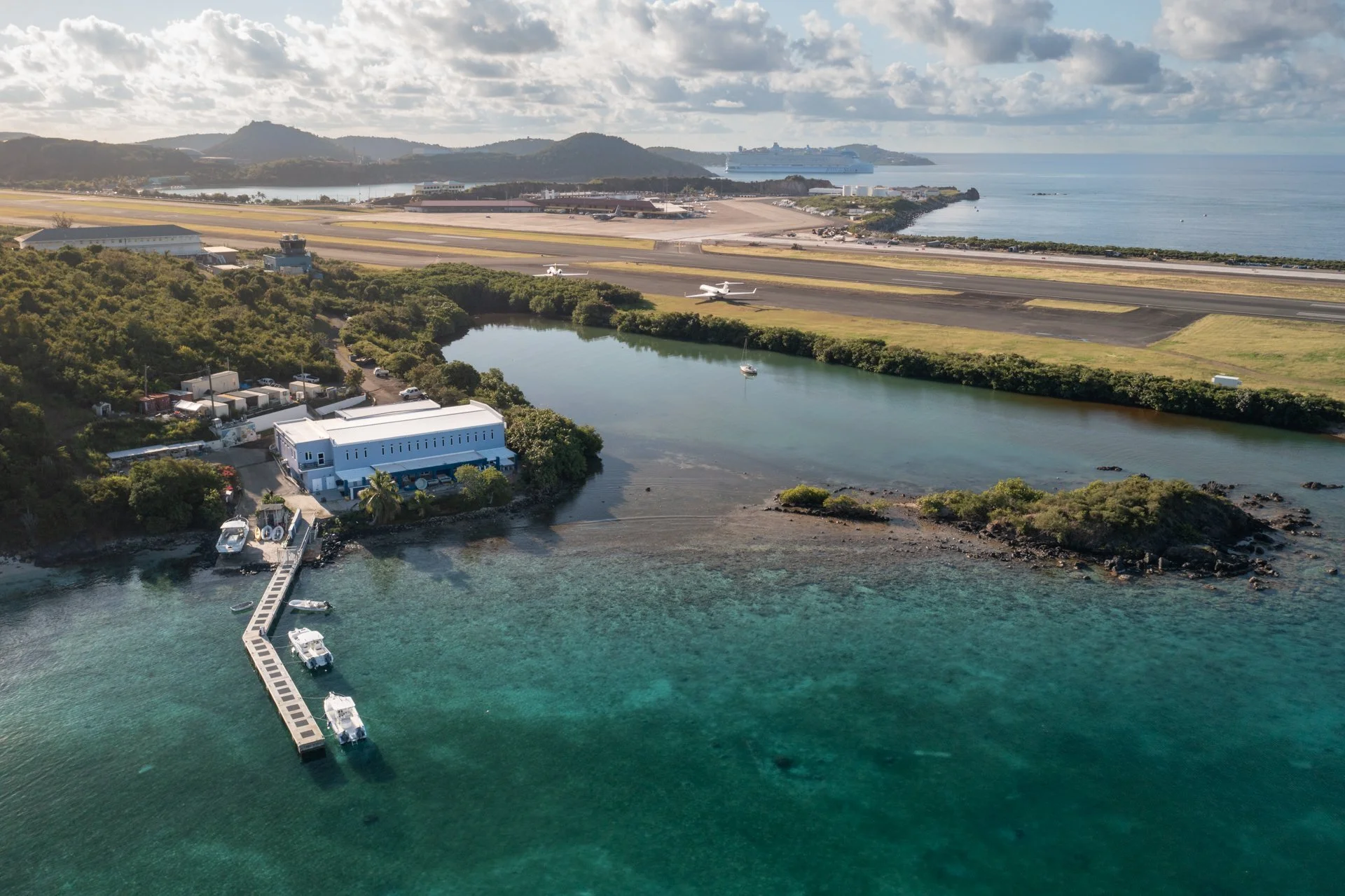
Photo by Dan Mele, Sourced from viepscor.org
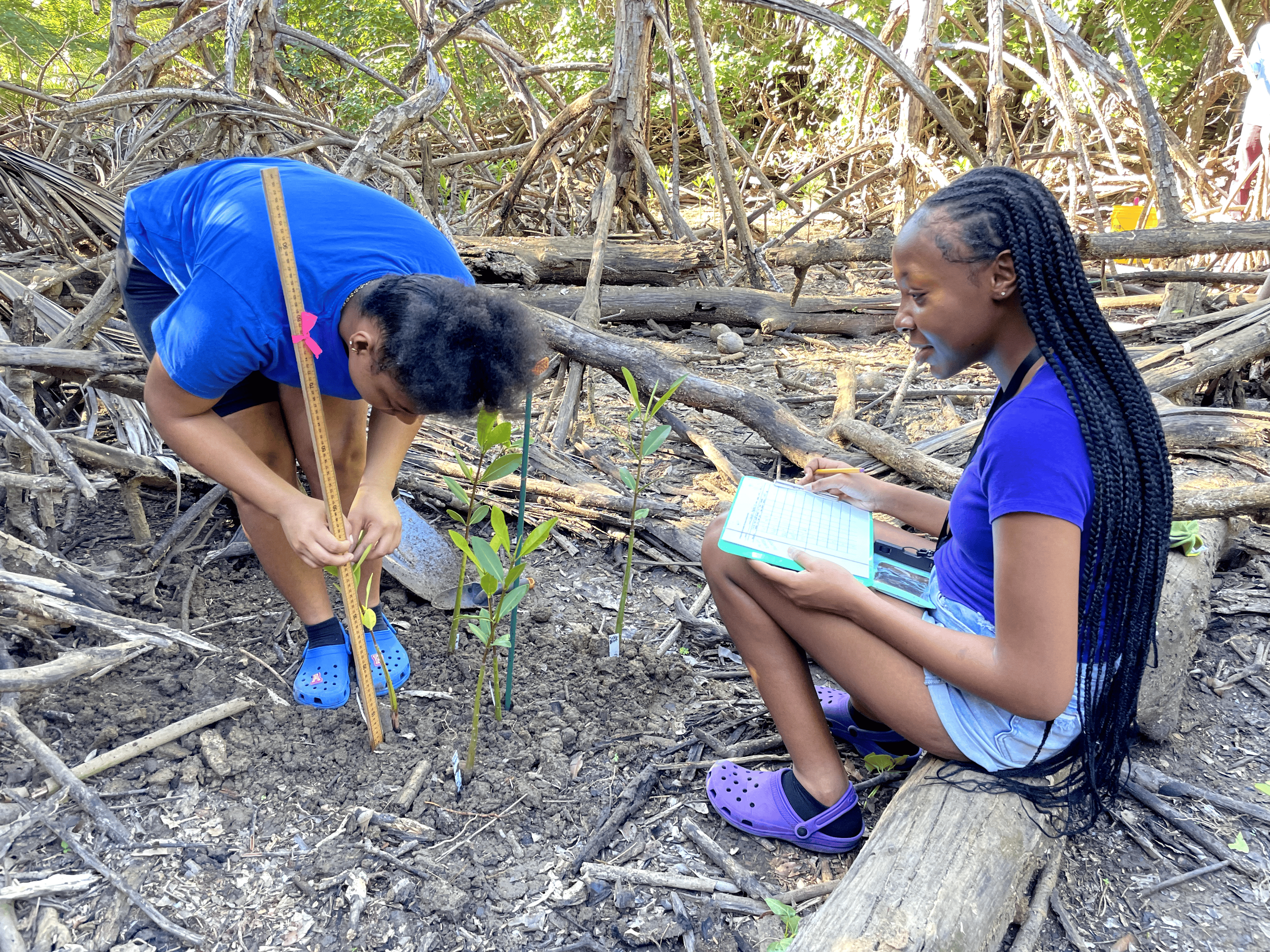
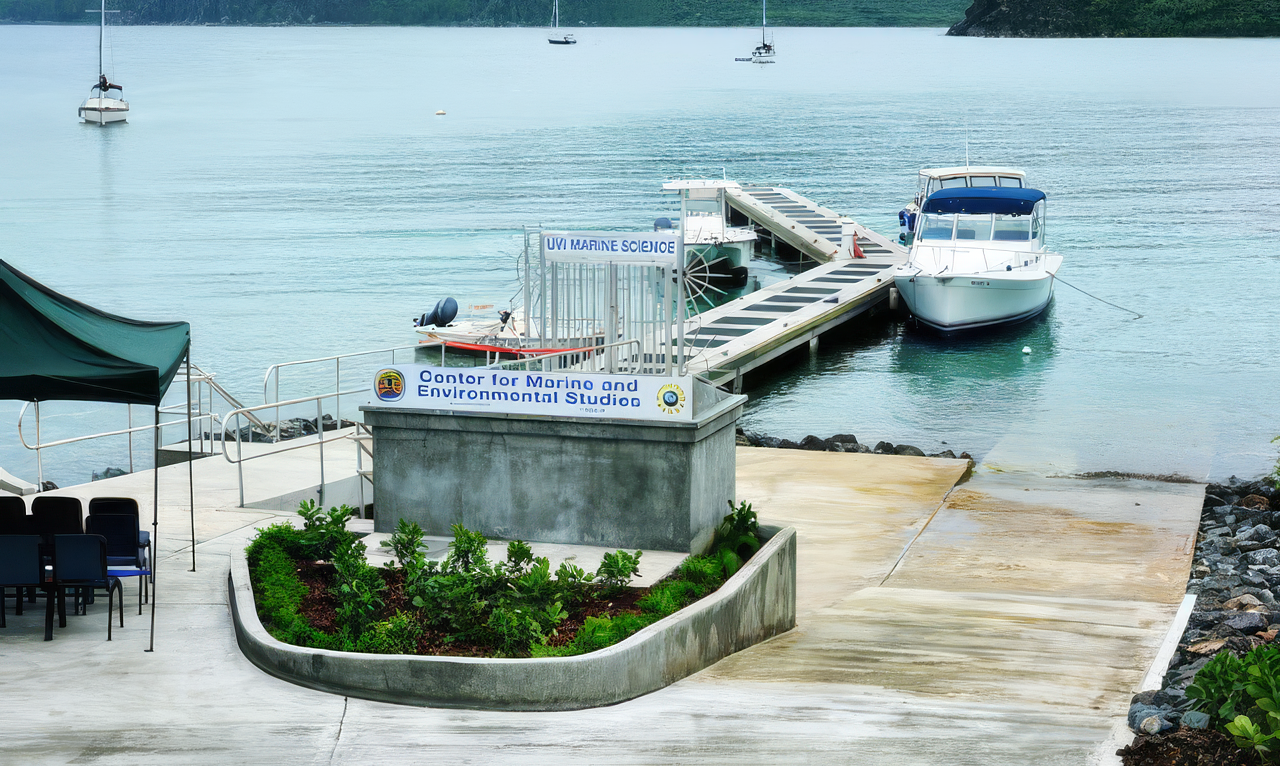
Photo sourced: stthomassource.com/content/2016/11/18/uvi-unveils-new-dock-at-center-for-marine-science/
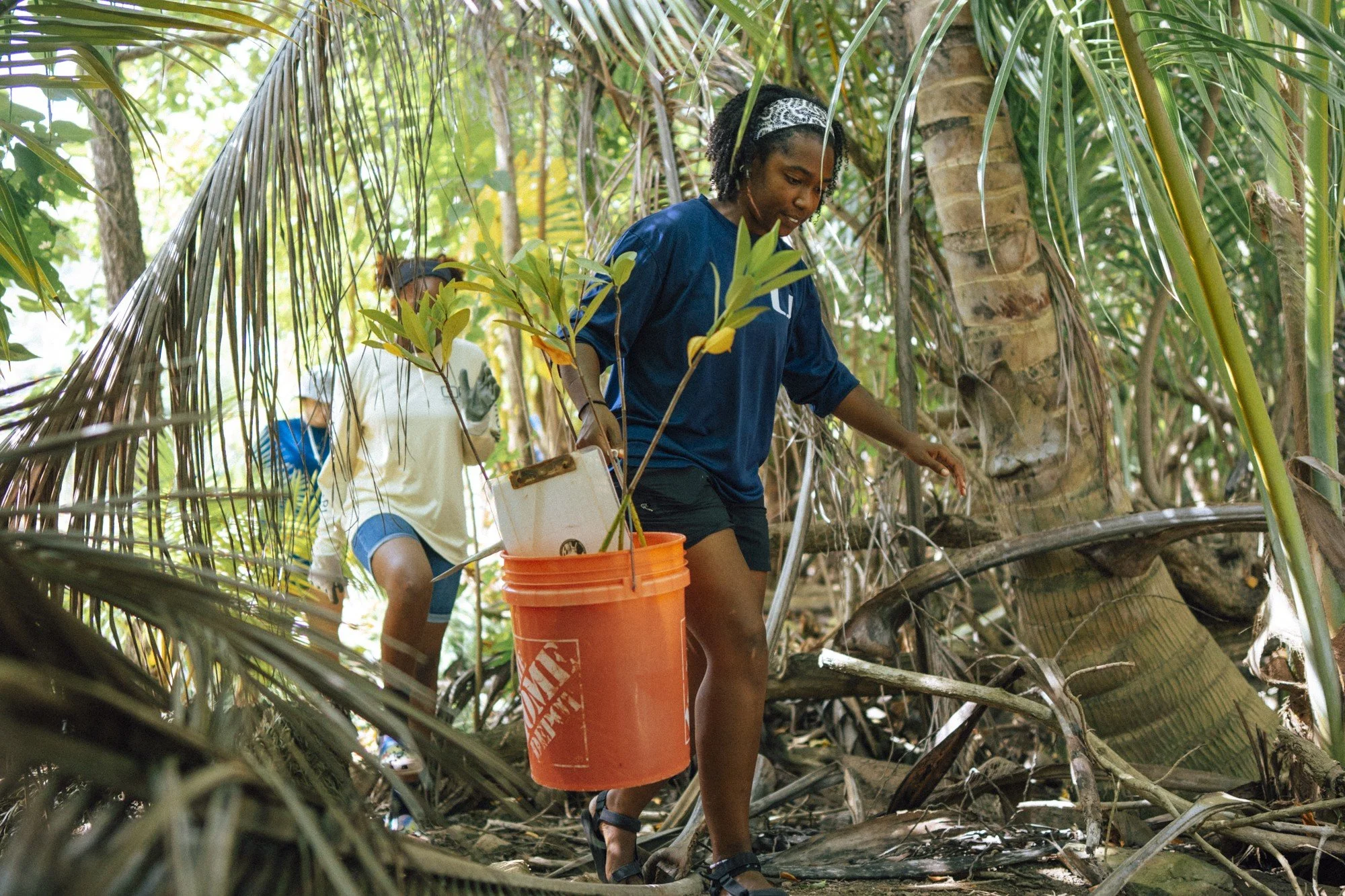
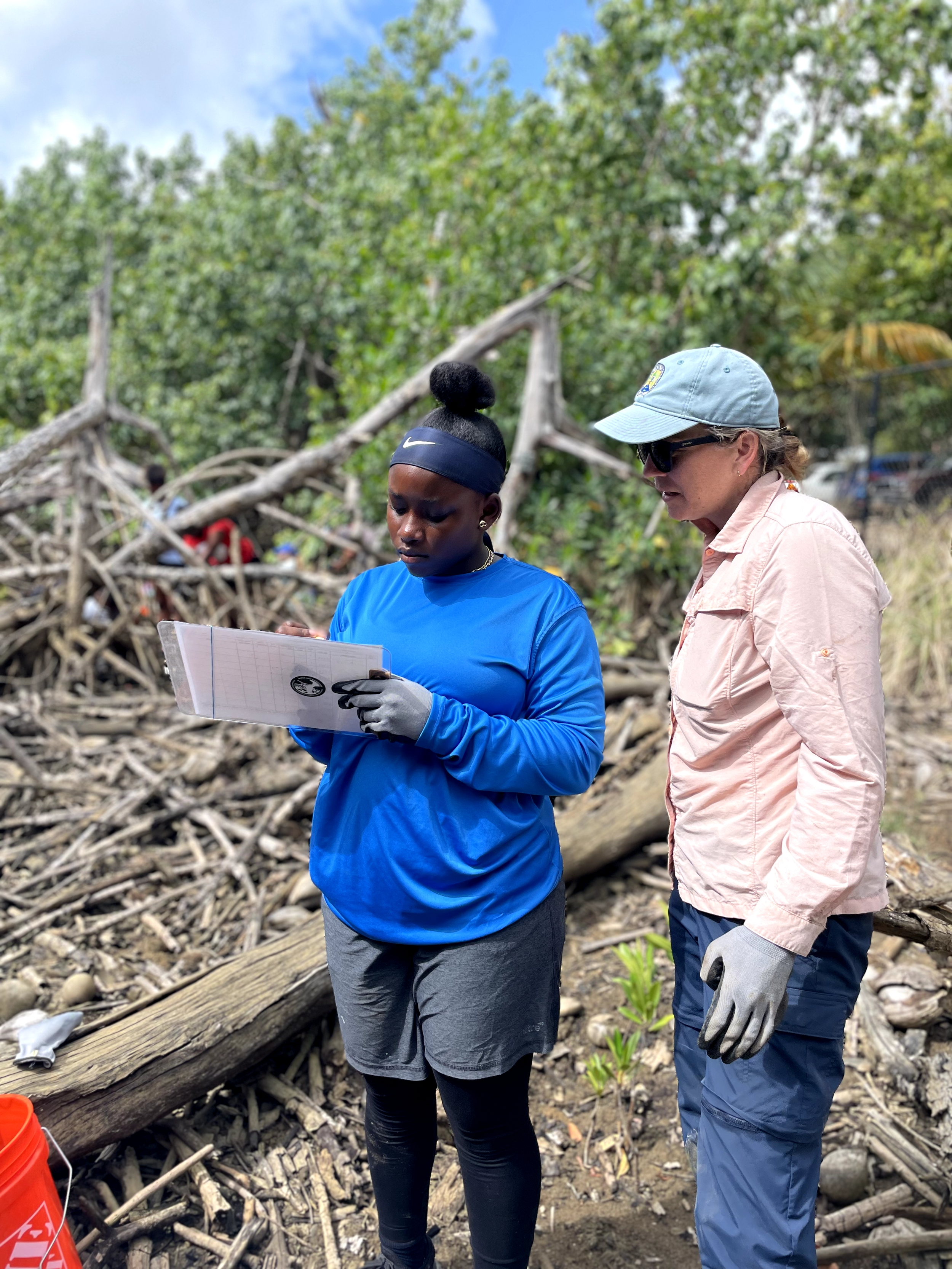
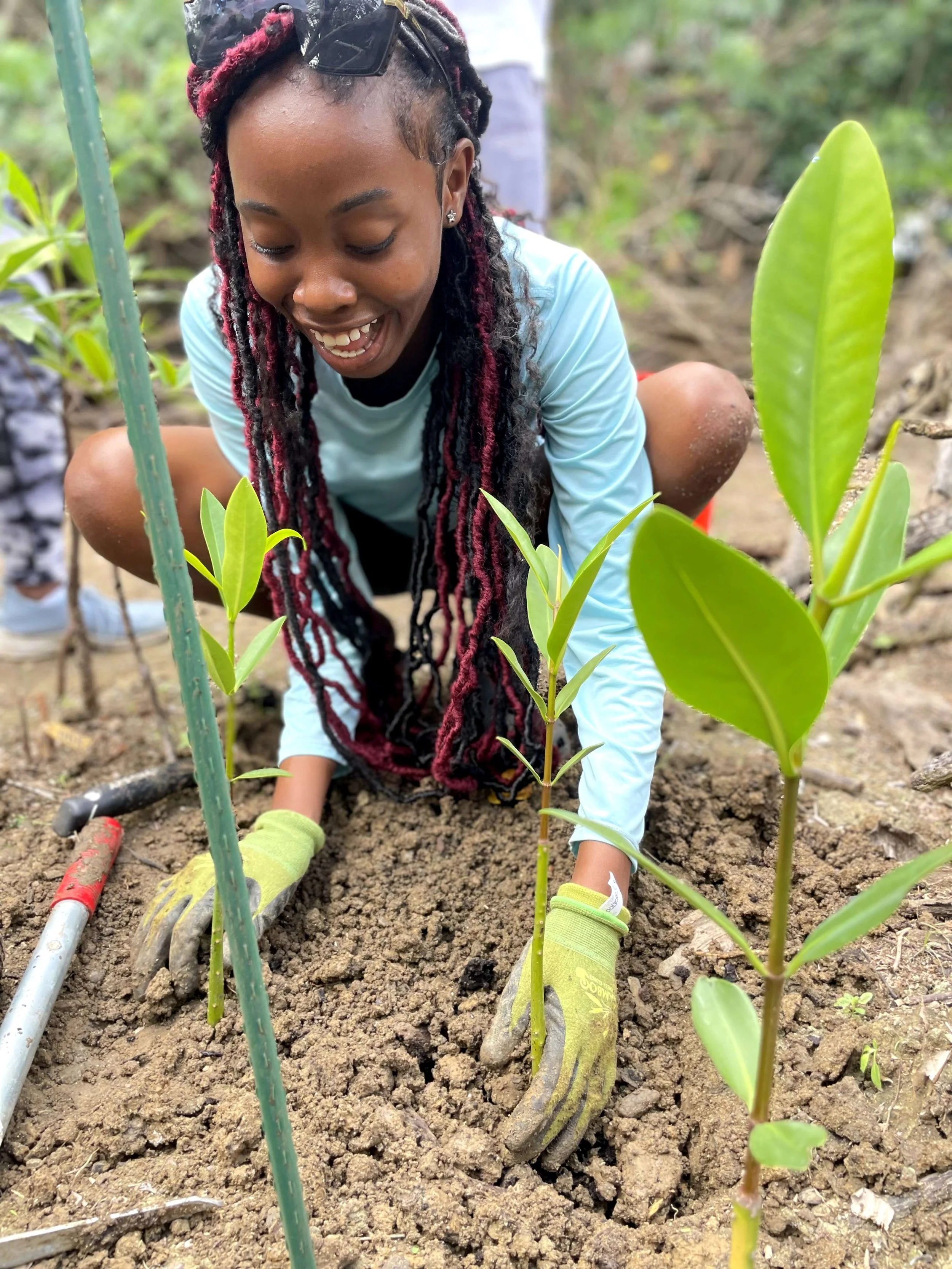
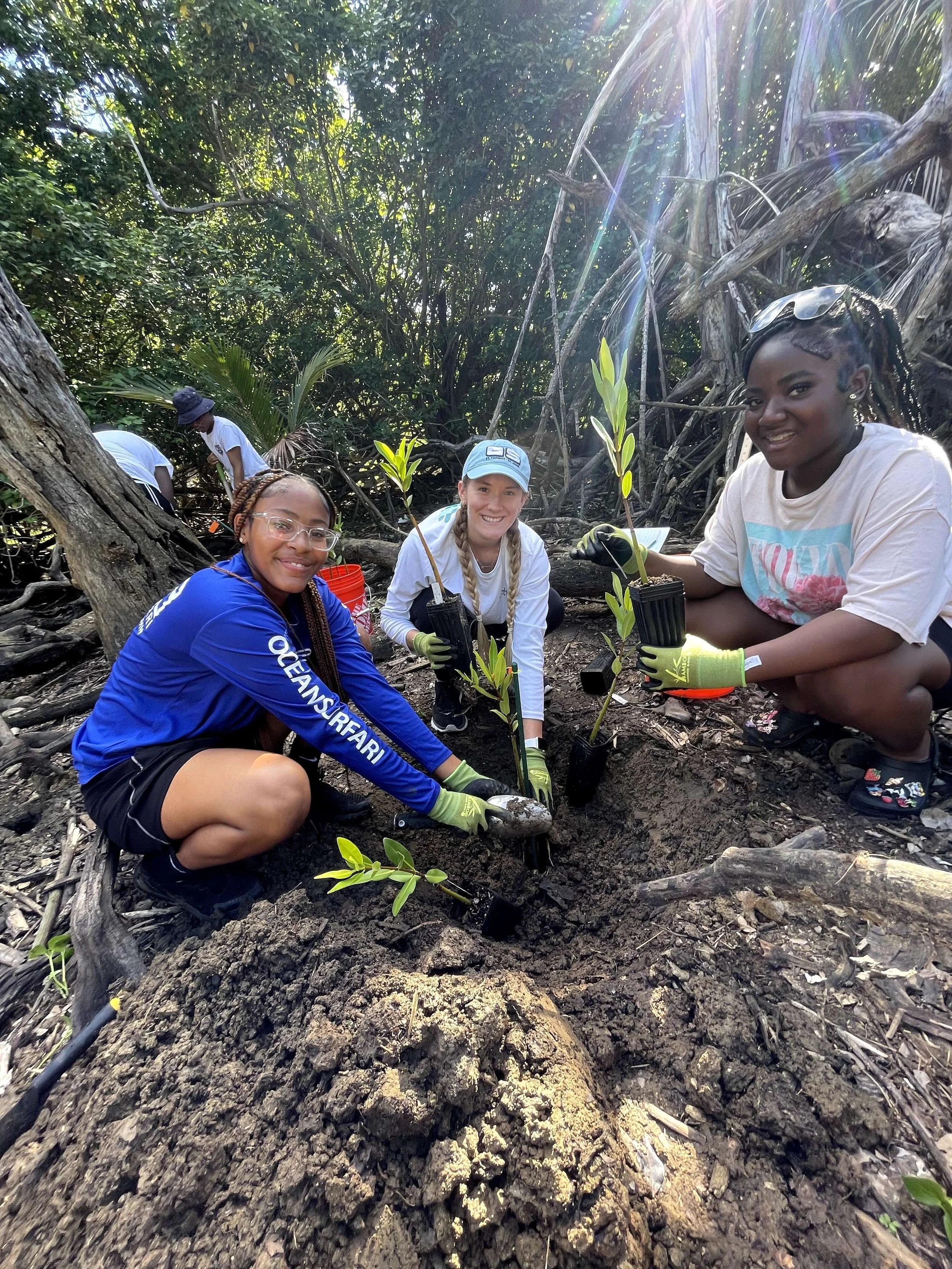
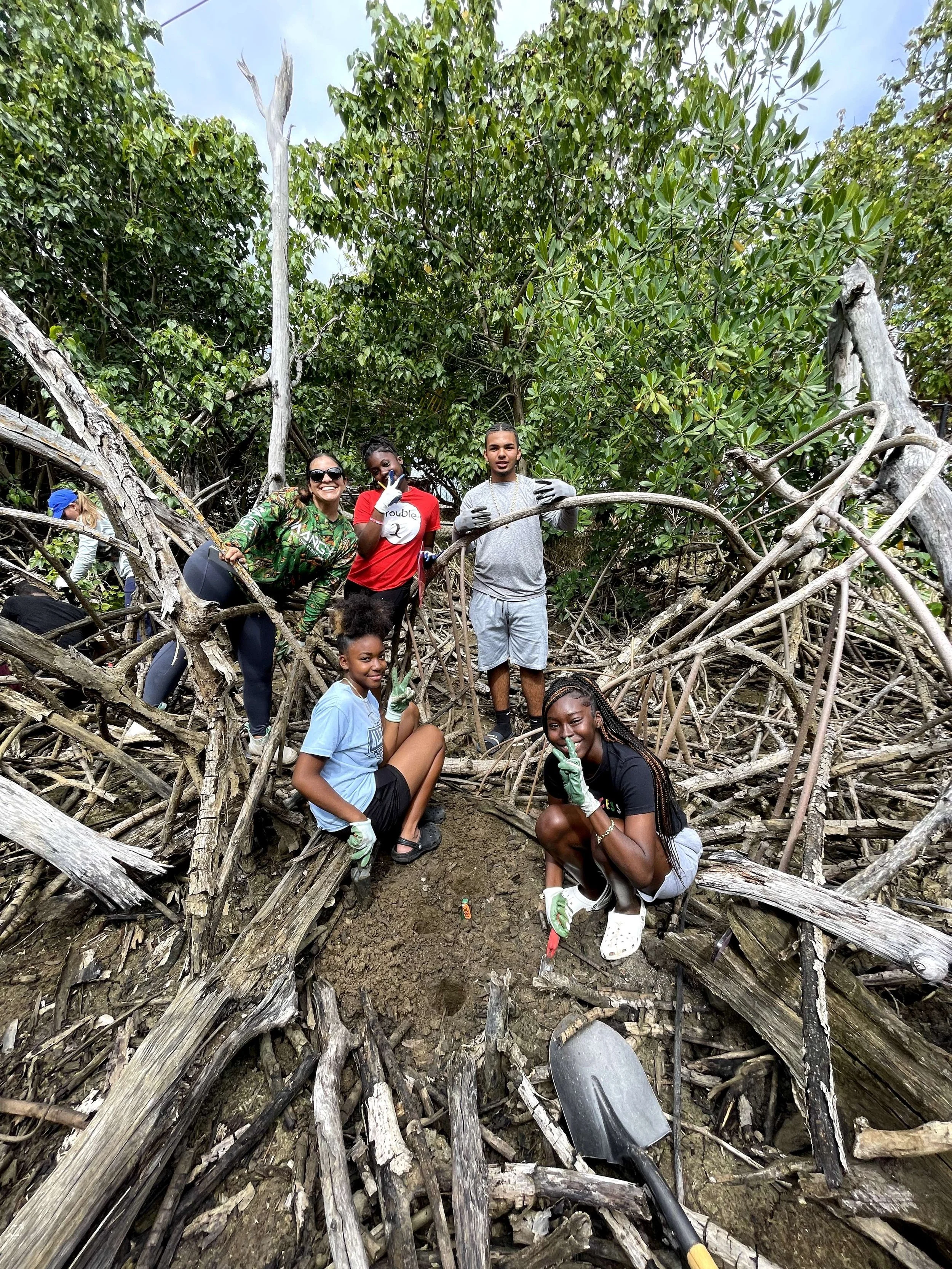
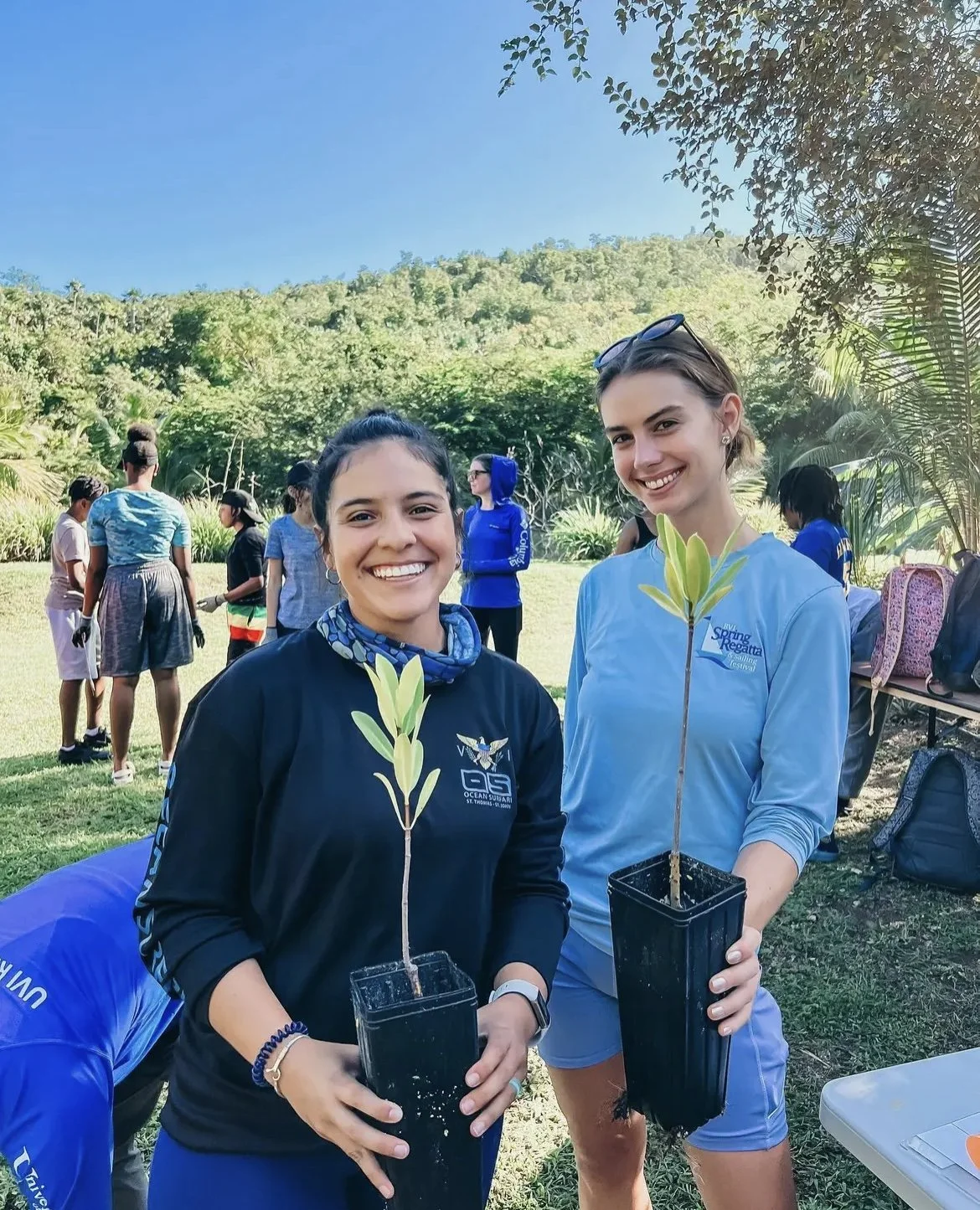
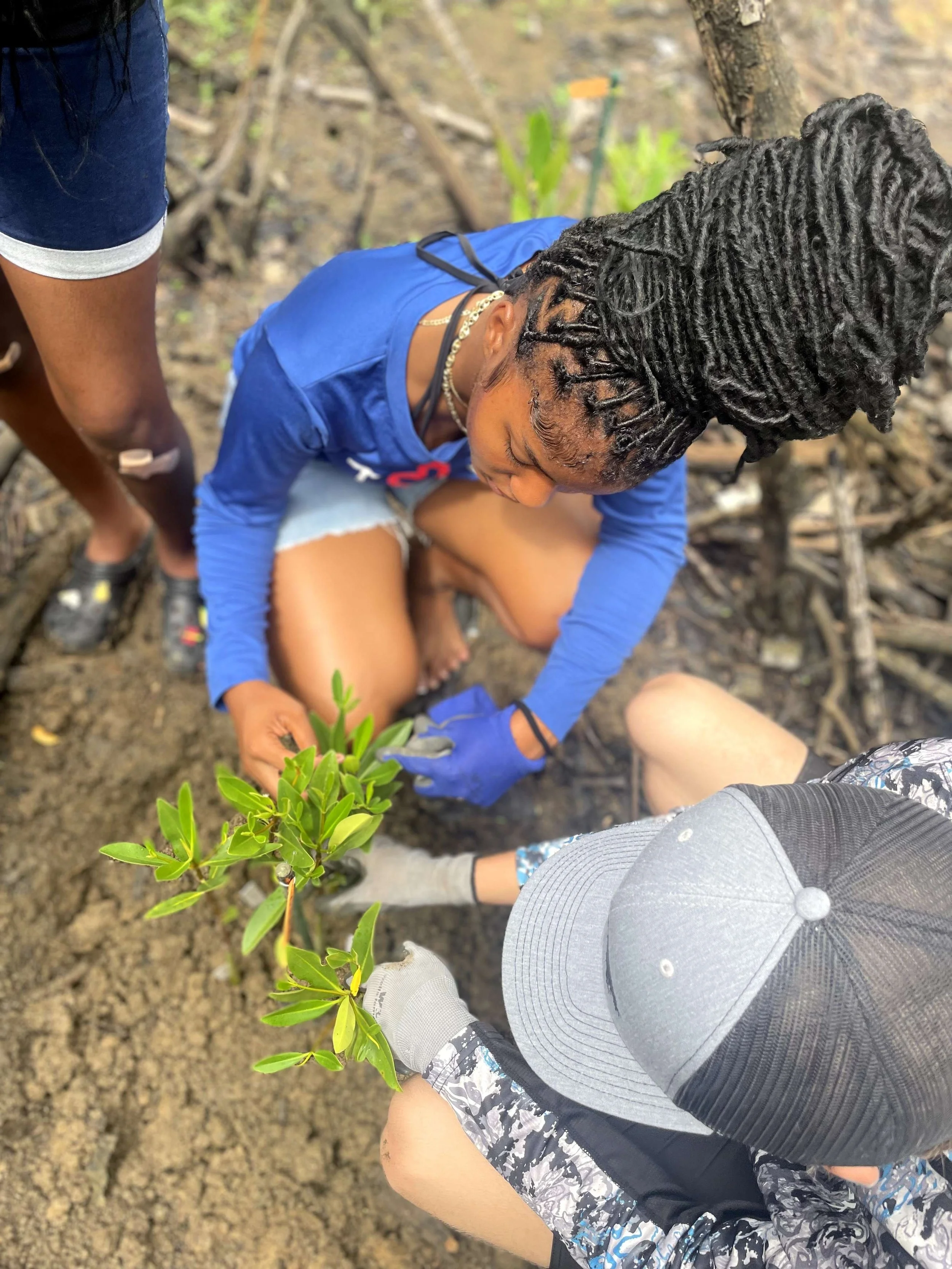
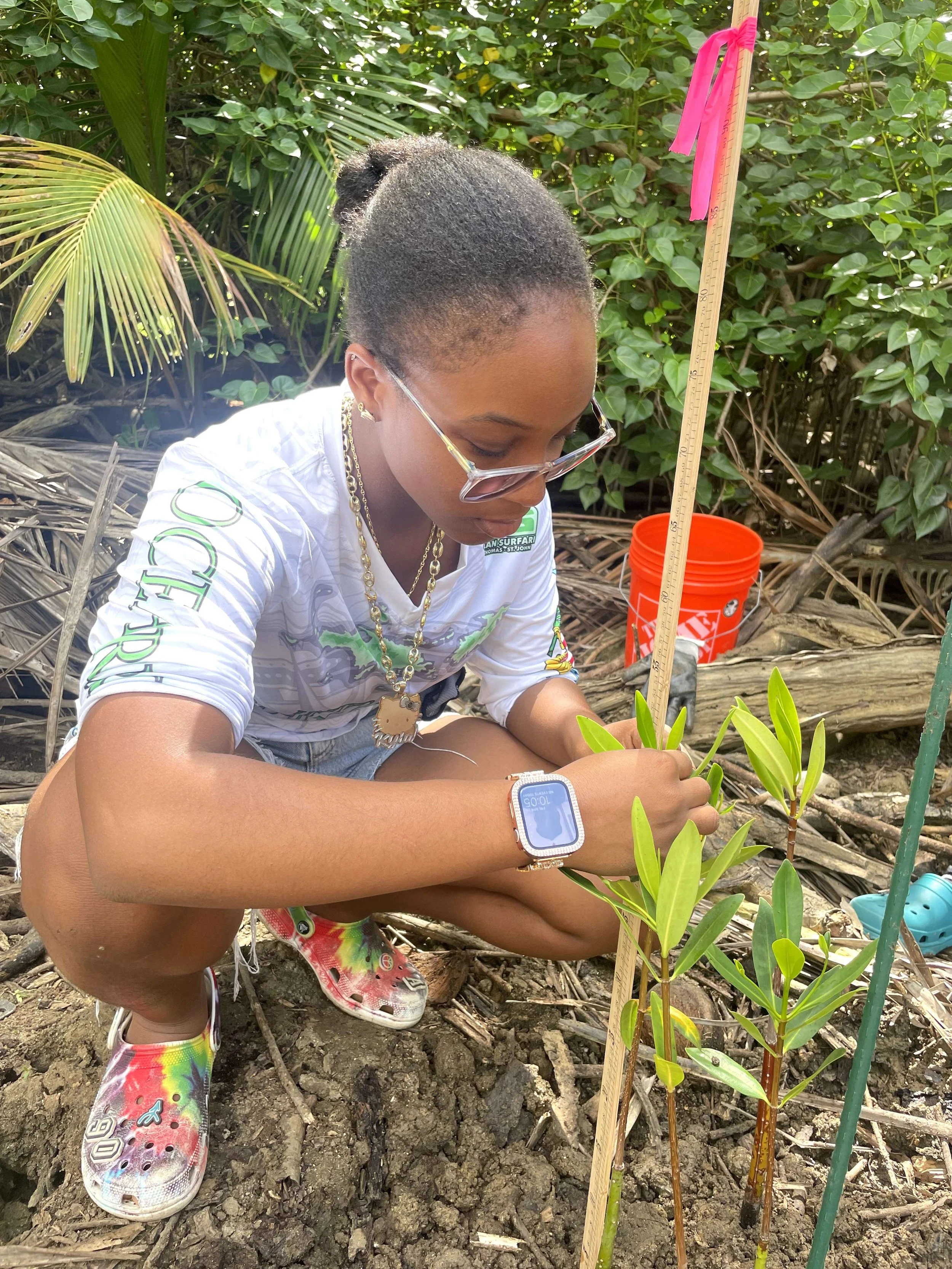
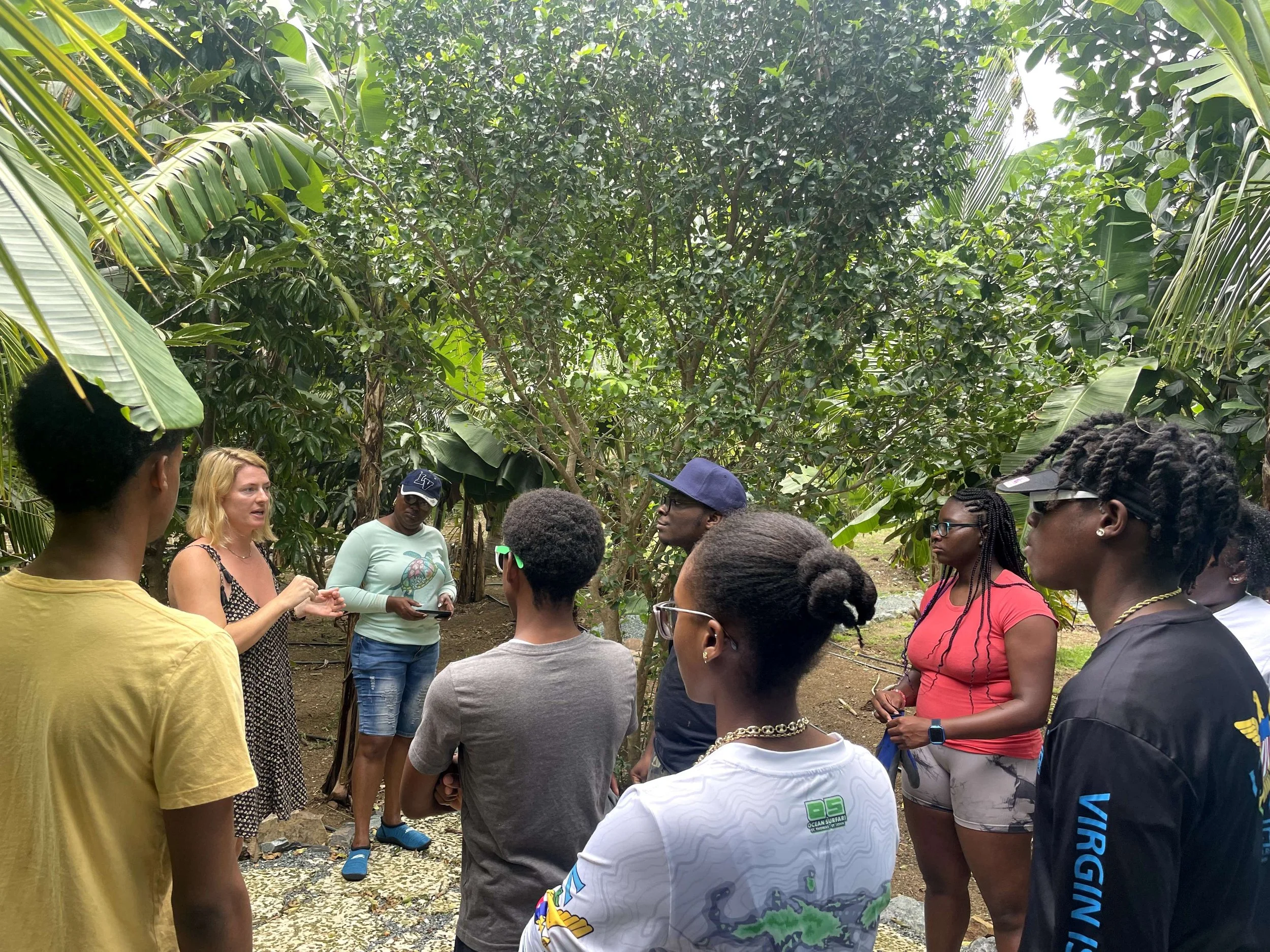
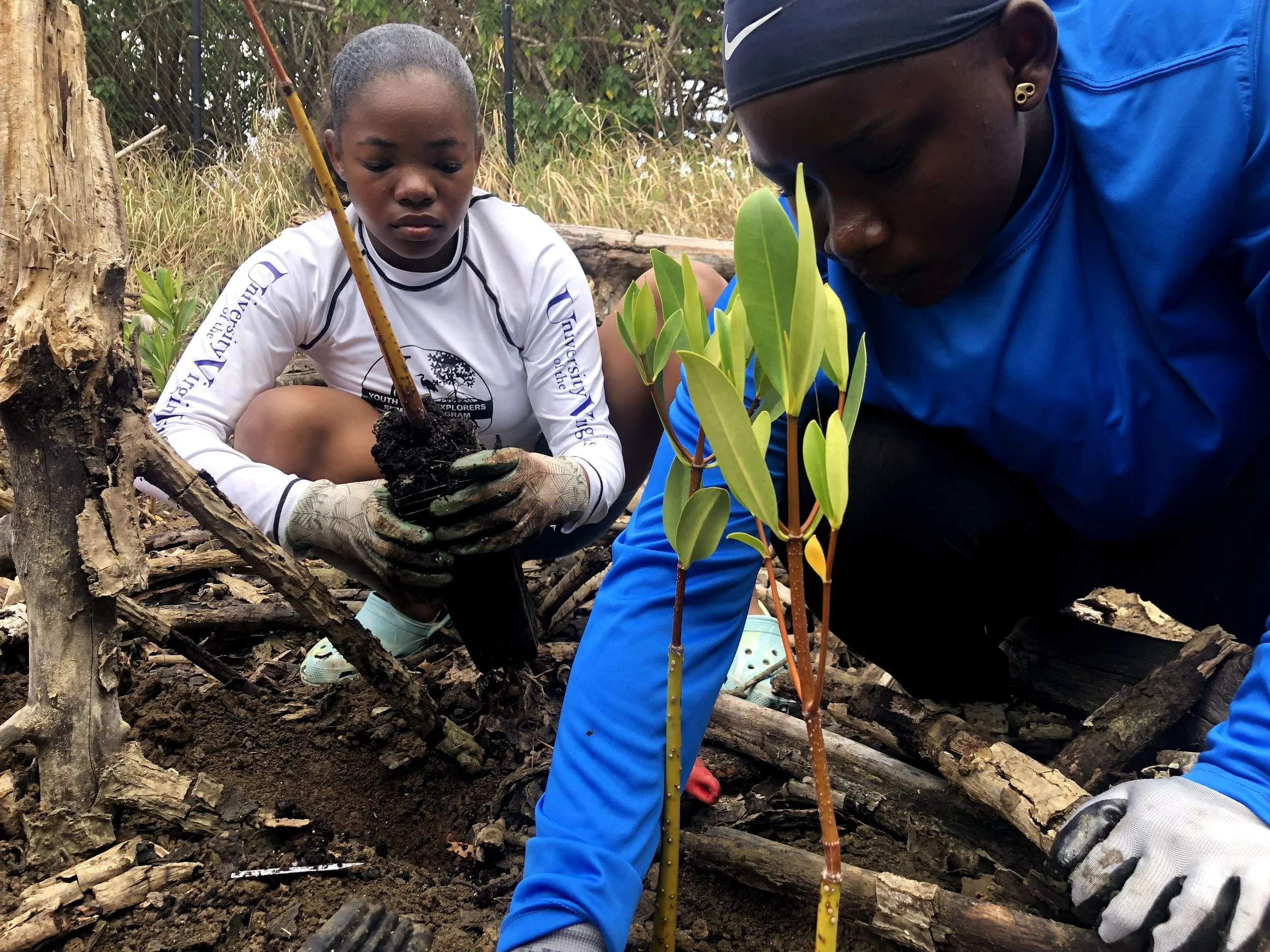
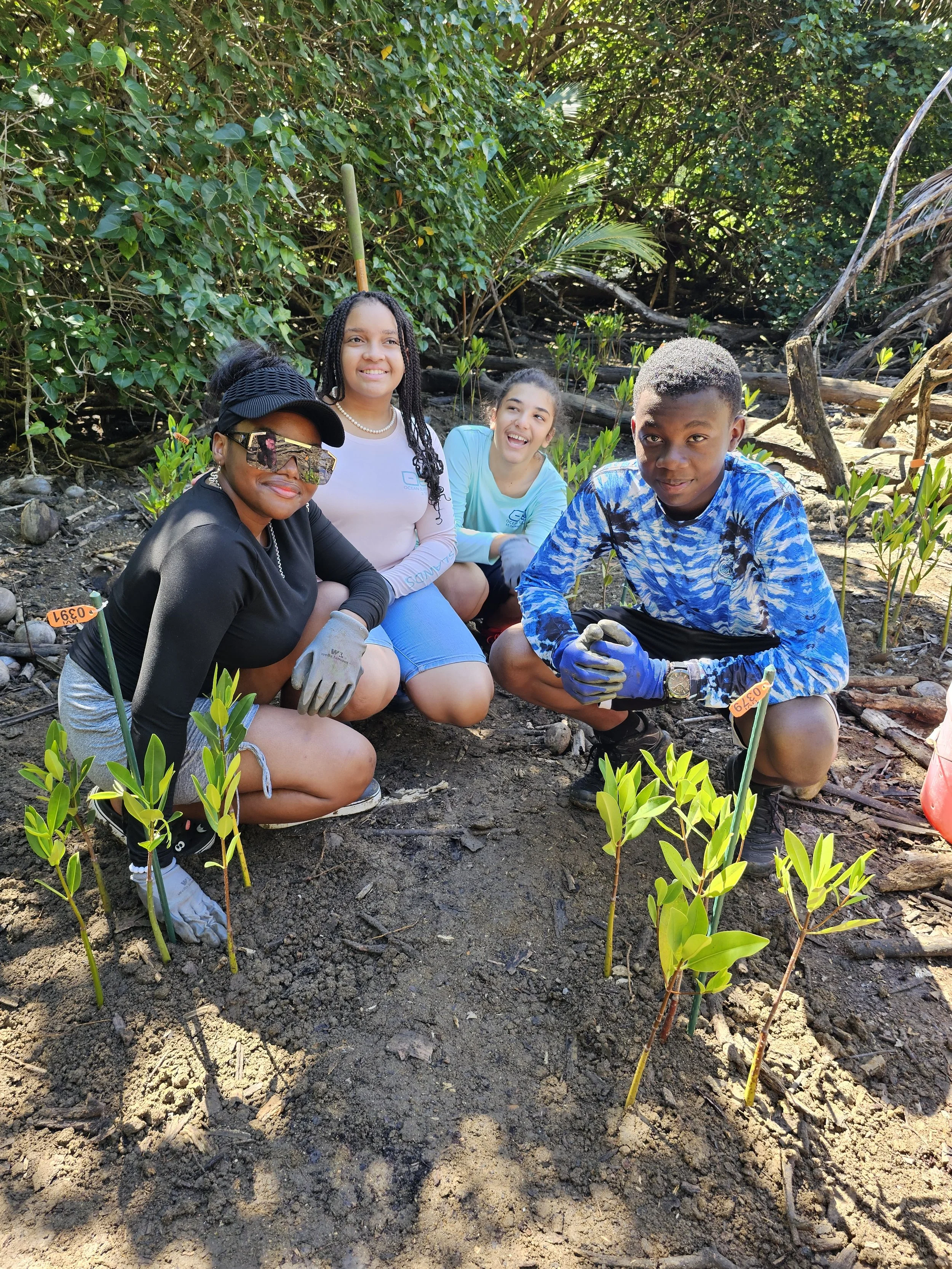
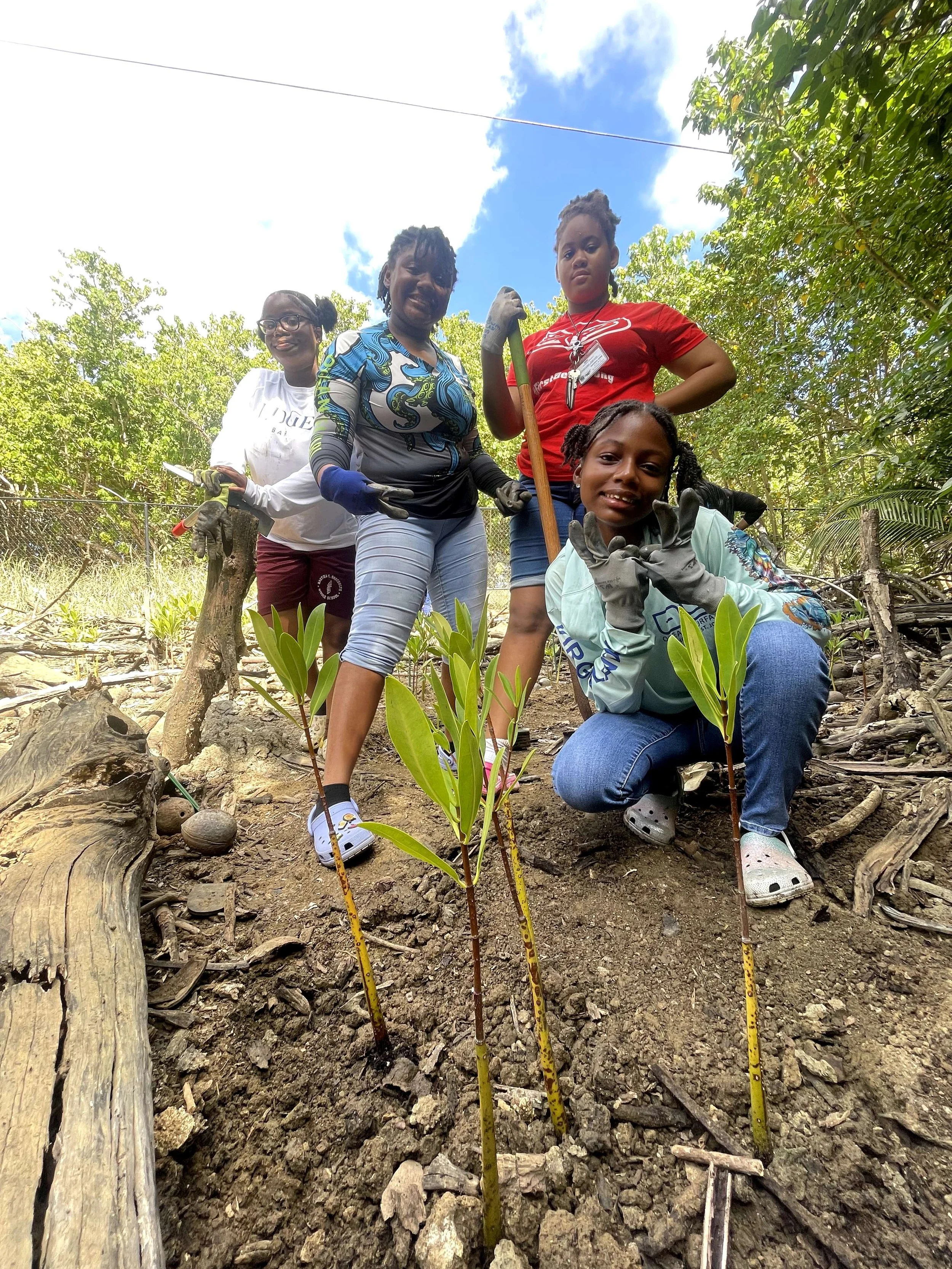
Mangroves in the Classroom began on St. Thomas in 2022. Instead of meeting mangroves for one afternoon on a field trip, middle and high school students spend a semester learning the science.
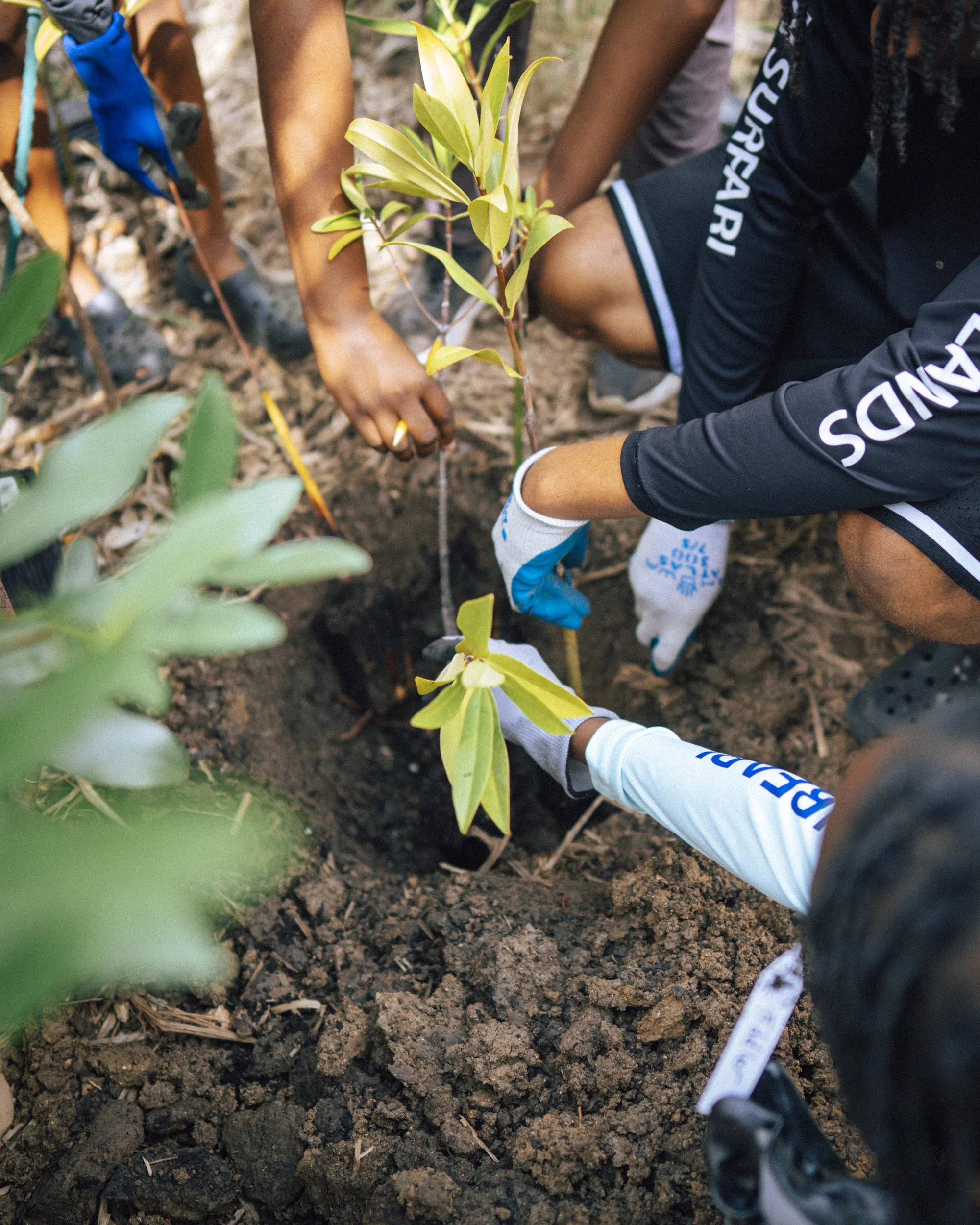
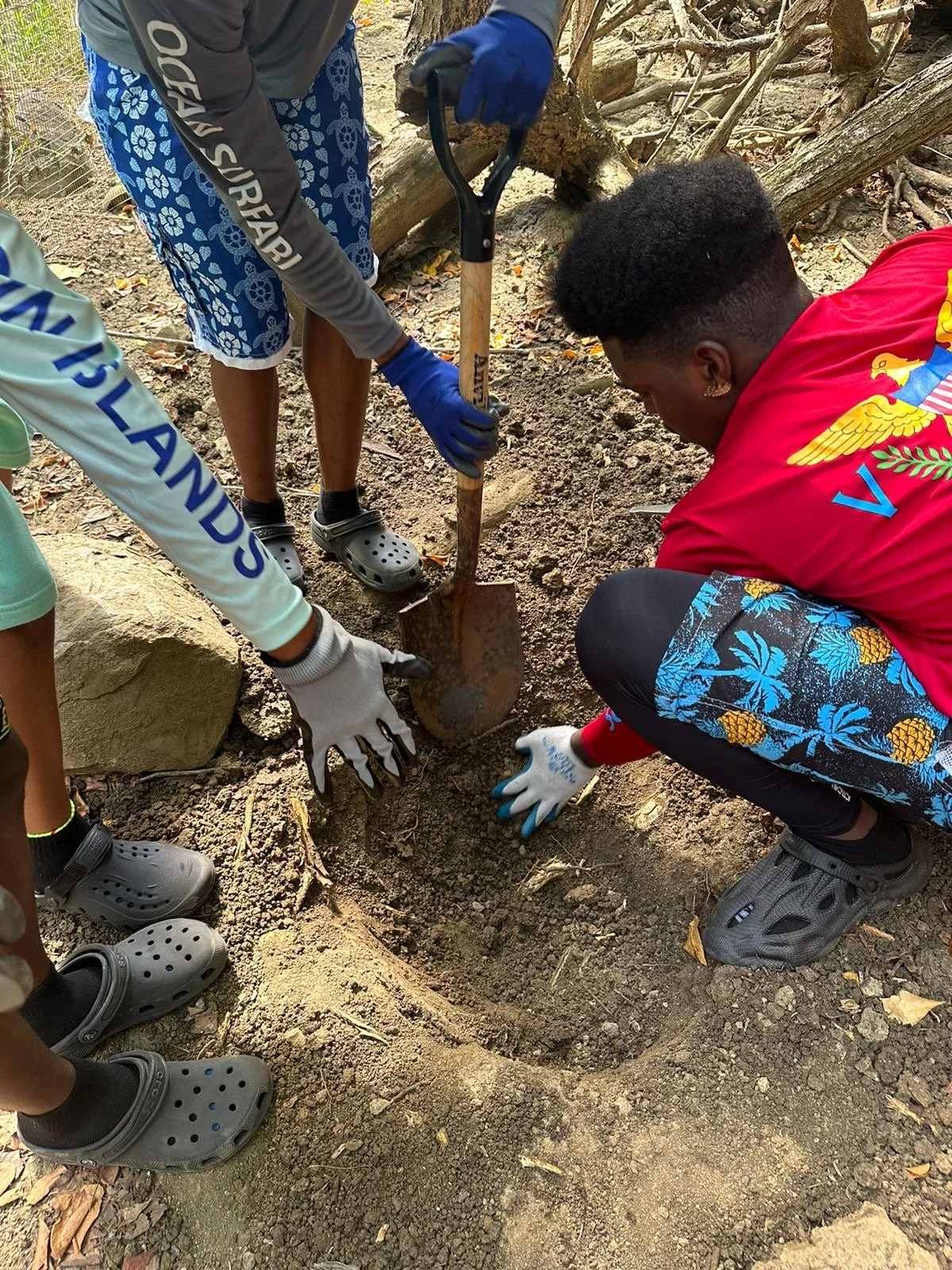
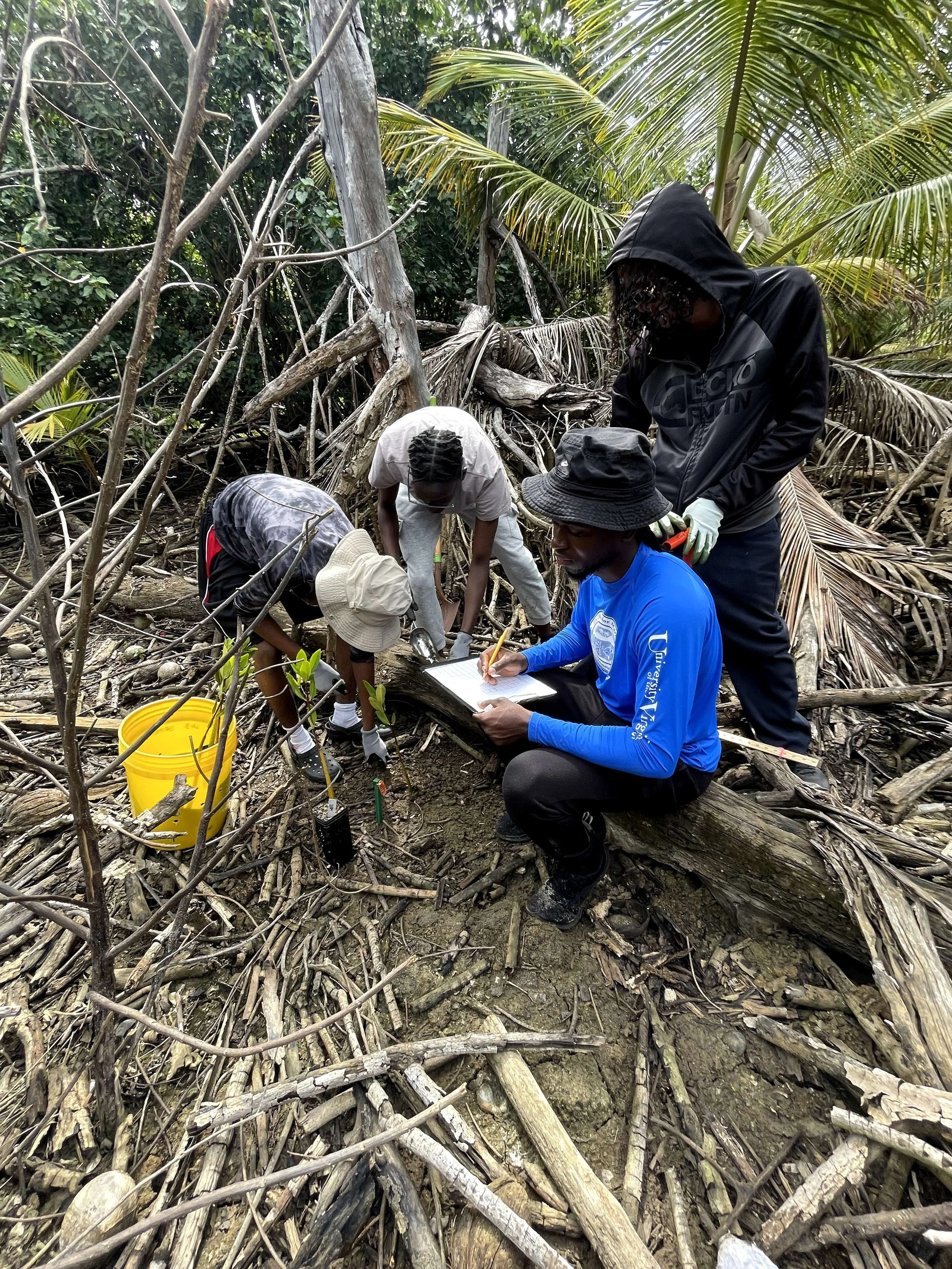
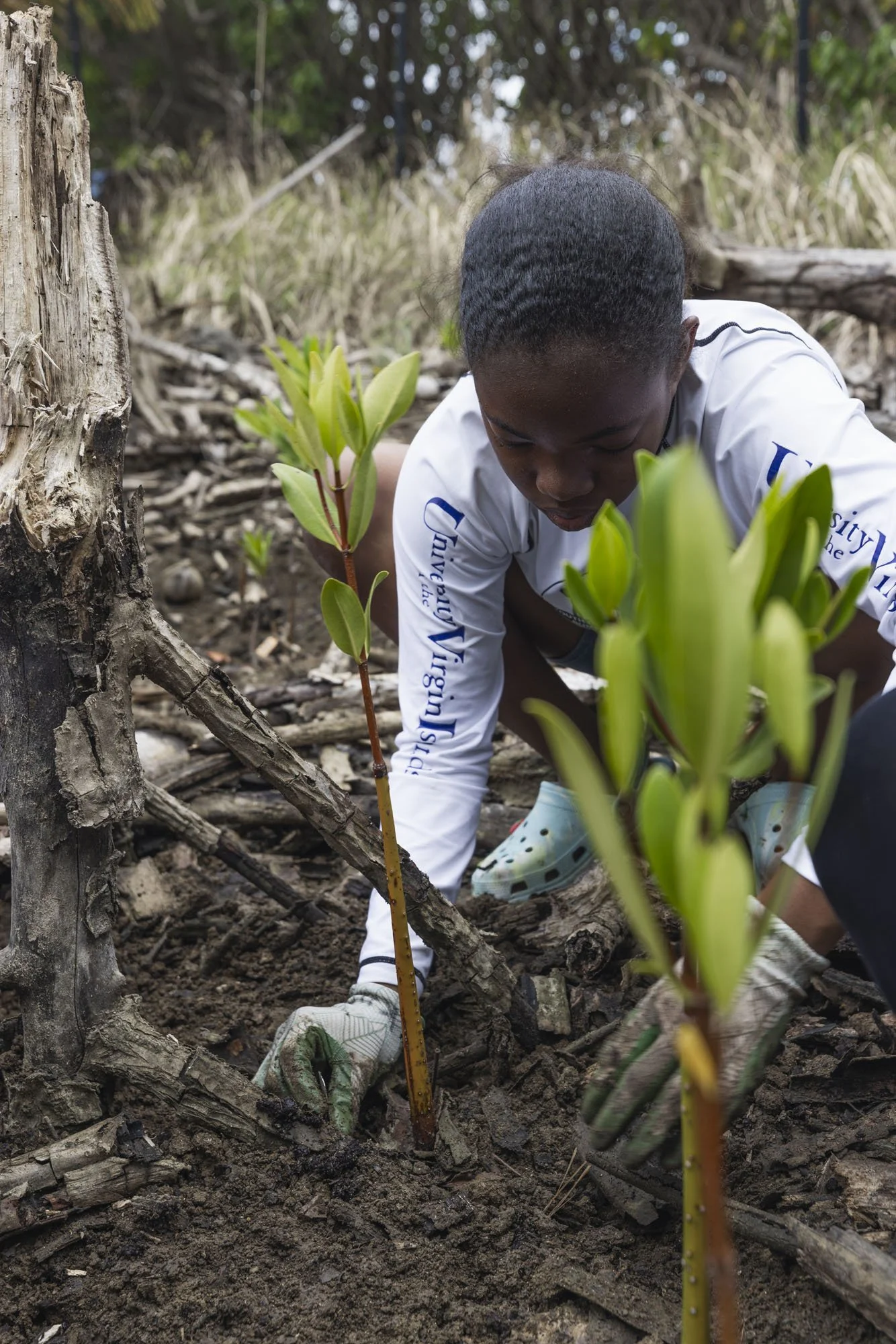
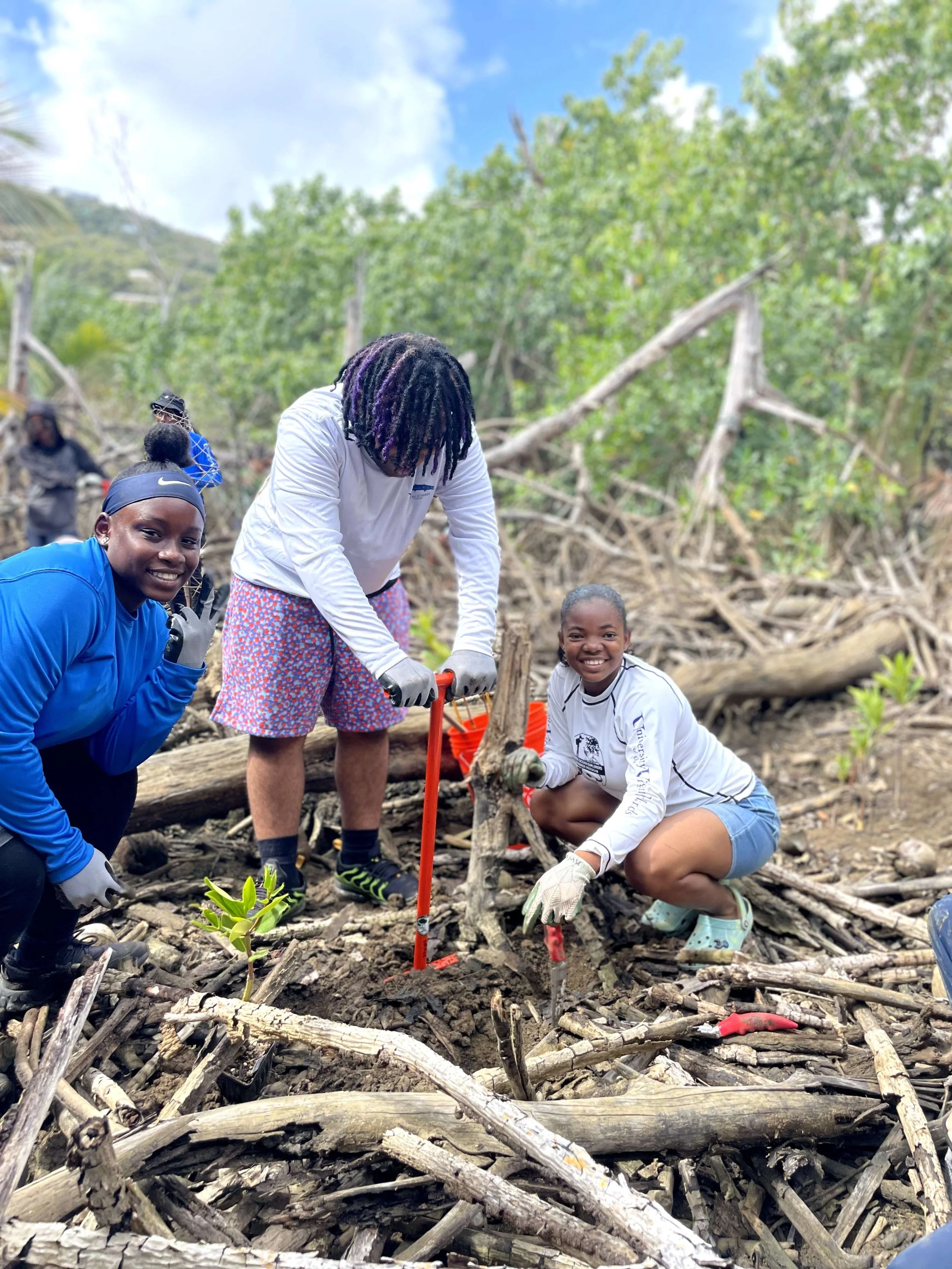
They develop experiments. Care for the plants. Then they come to Hull Bay to dig and get muddy.
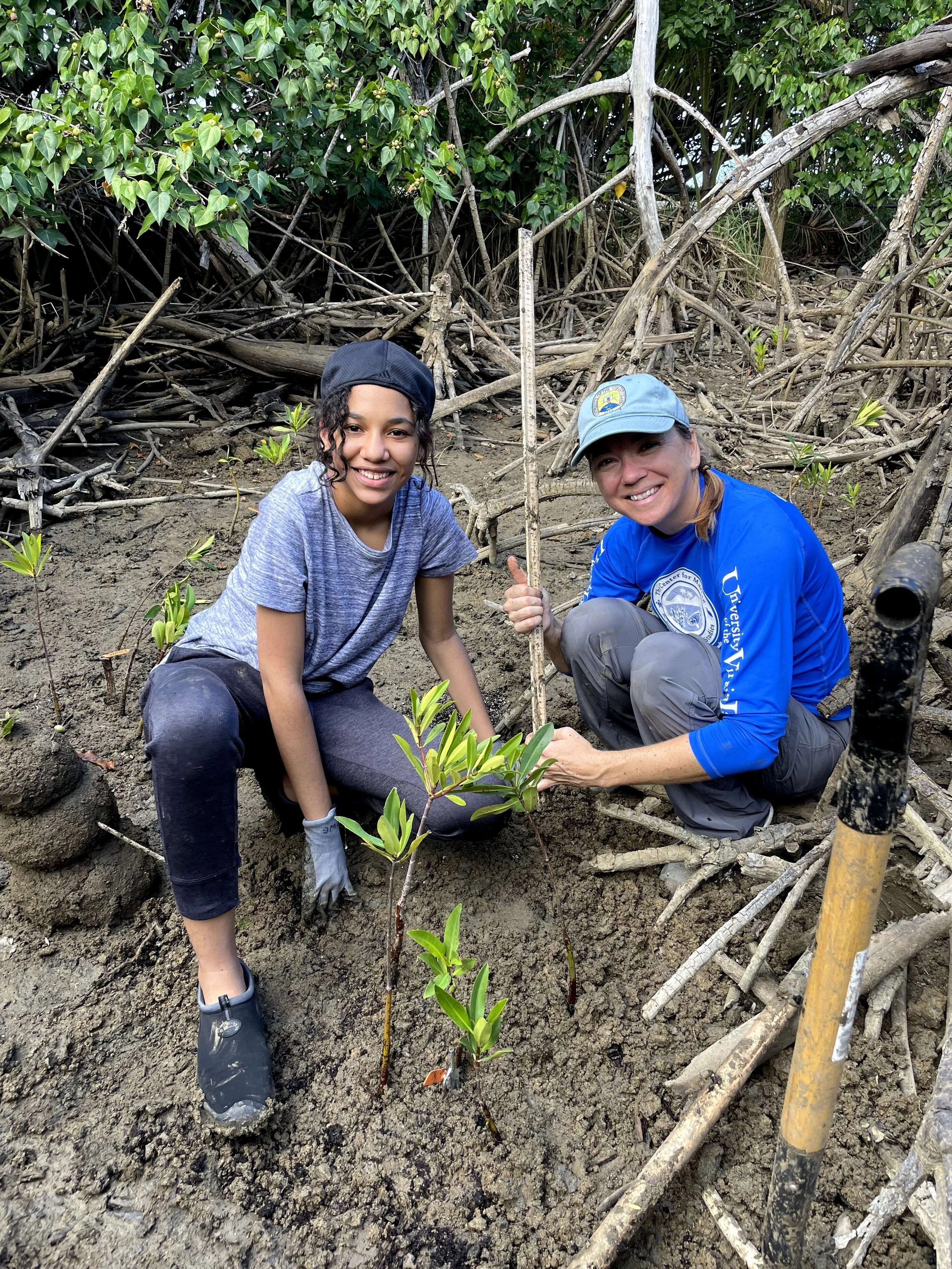
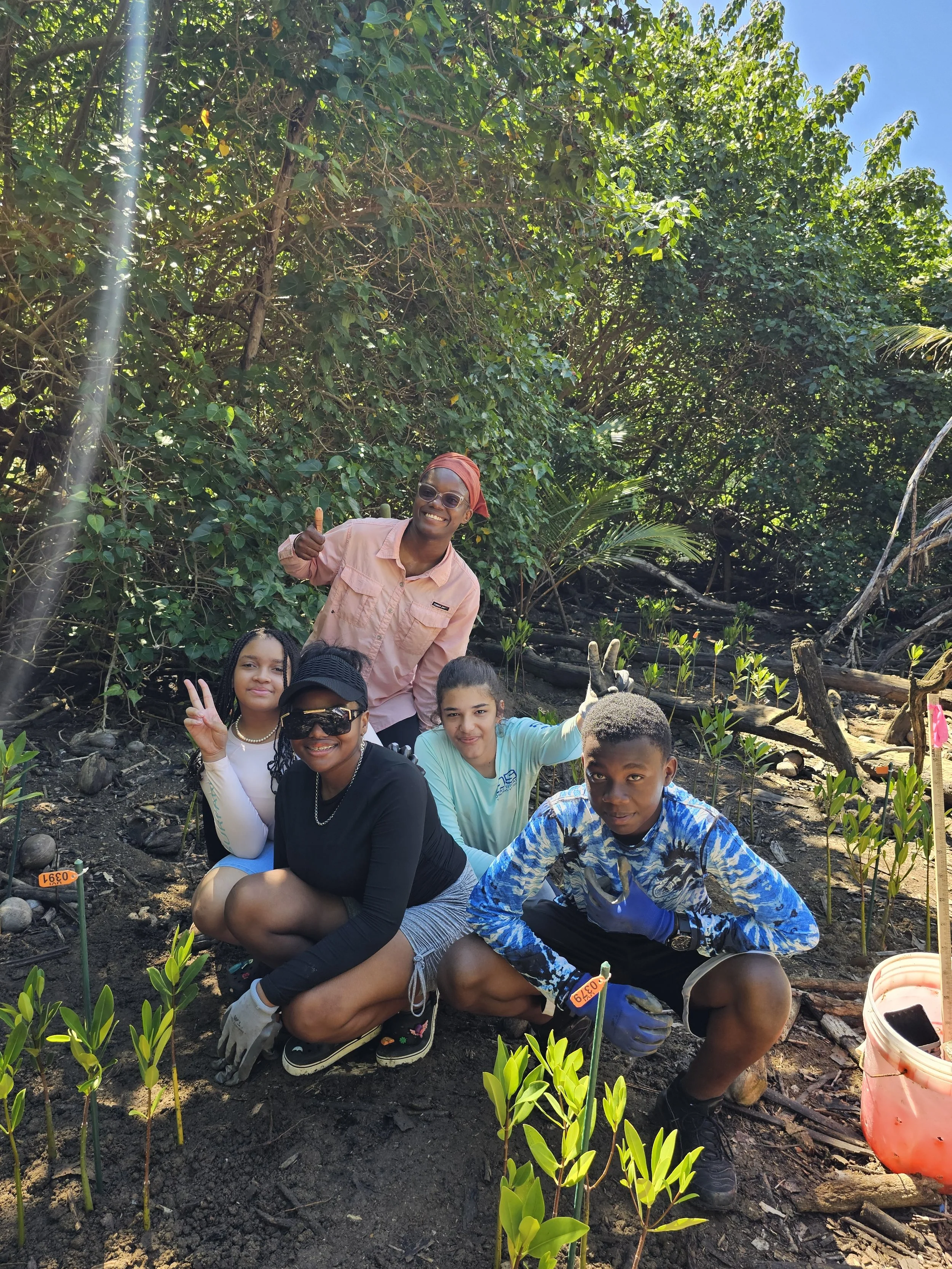
Students help put new mangroves into the restoration area and return to monitor trees planted in previous years. They can see which trees are growing, watch the wetland change, and understand that restoring an ecosystem takes time, attention, and continued care.

Since December 2022, 675 middle and high school students have helped plant and monitor 893 red mangroves at The Hideaway at Hull Bay, with field trips continuing at the site.
UVI describes Mangroves in the Classroom as a place-based program built around science, restoration, conservation, fieldwork, and storytelling. It started here on St. Thomas and has since grown to include educator training across the Virgin Islands.
Hull Bay has a Voice in What Happens Next
Restoration here also belongs in a larger conversation about Hull Bay itself.
In March 2024, researchers from UVI and East Carolina University brought residents, fishers, educators, business owners, government employees, students, and other community members together for a Hull Bay coral and mangrove restoration workshop.
Forty-five people with strong ties to Hull Bay took part, weighing in on where restoration should happen, why it mattered, and who should be involved. Their priorities included healthier fish habitat, cleaner runoff, less erosion, protection from waves, green space, and keeping mangroves and corals part of Hull Bay for the next generation.
That future starts with listening to the people who know Hull Bay firsthand.
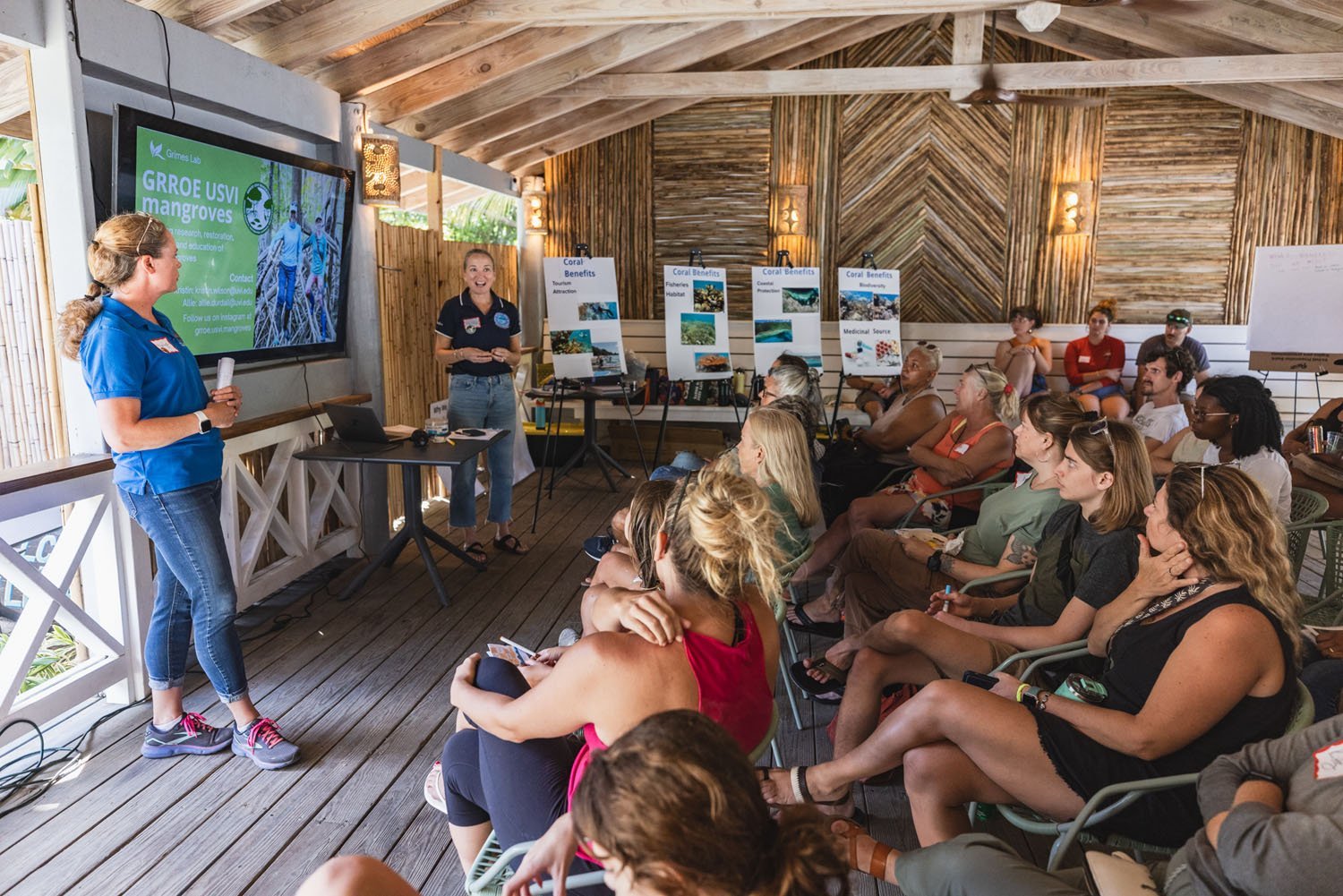
Photo by Dan Mele, Sourced from viepscor.org/hull-bay-restoration
A Healthier Place to Share
The mangrove project fits naturally into The Hideaway’s wider commitment to Hull Bay. Lee’s view is simple: a healthy environment supports a healthy neighborhood, giving local businesses and the wider community more room to thrive. From the land we grow food on to the shoreline beside us, working with UVI is one way The Hideaway can care for Hull Bay with the next generation in mind.
“Let’s not change what’s here. Let’s just amplify it.”
~ Lee Steiner, Hideaway CEO & Founder